How Peaky Blinders turned the North West and Yorkshire into Small Heath
Peaky Blinders follows Tommy Shelby and his family from the back streets of Small Heath after the First World War to Westminster and beyond. The story never leaves Birmingham for long, but the production did. Its period streets, canals and grand interiors came mainly from four places: Black Country Living Museum in Dudley, the city of Liverpool, two Cheshire estates plus a Liverpool hall, and a cluster of Victorian buildings in and around Bradford and Leeds. Very few of the series' recognisable scenes were shot in Birmingham itself, which surprises many fans.
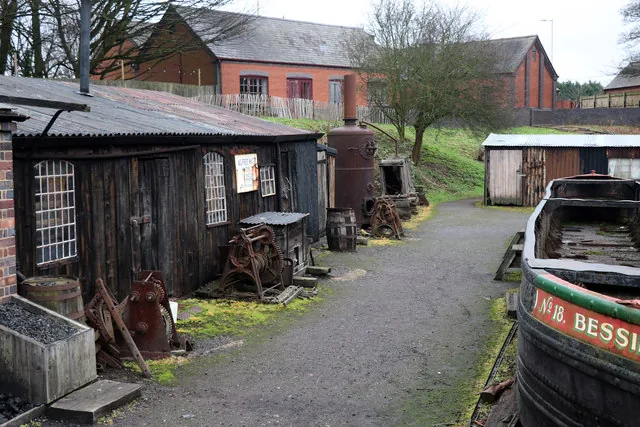
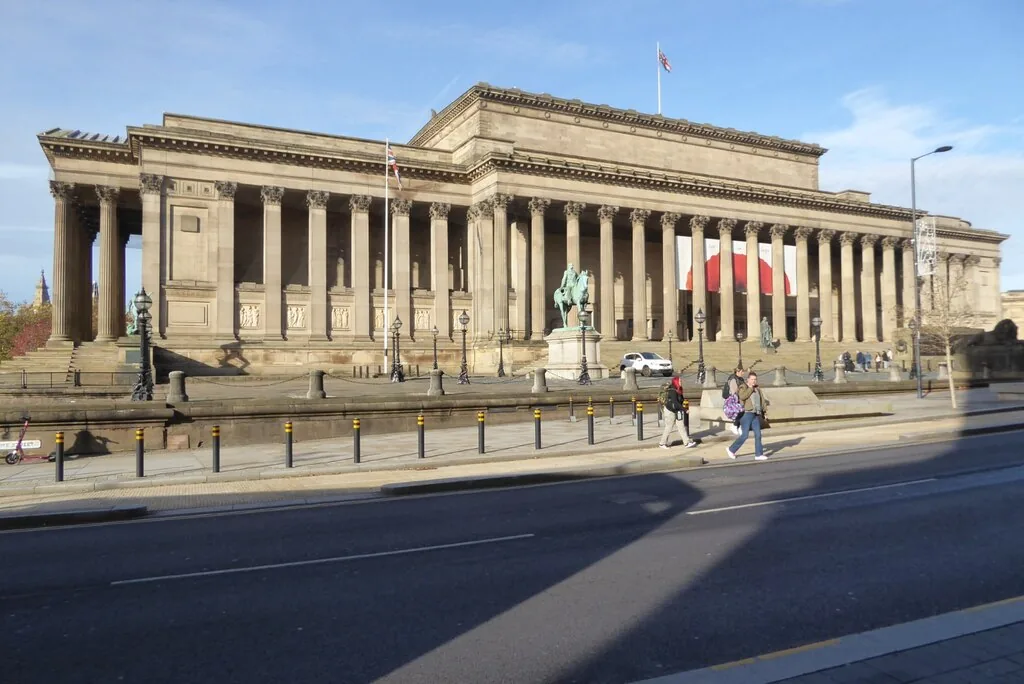
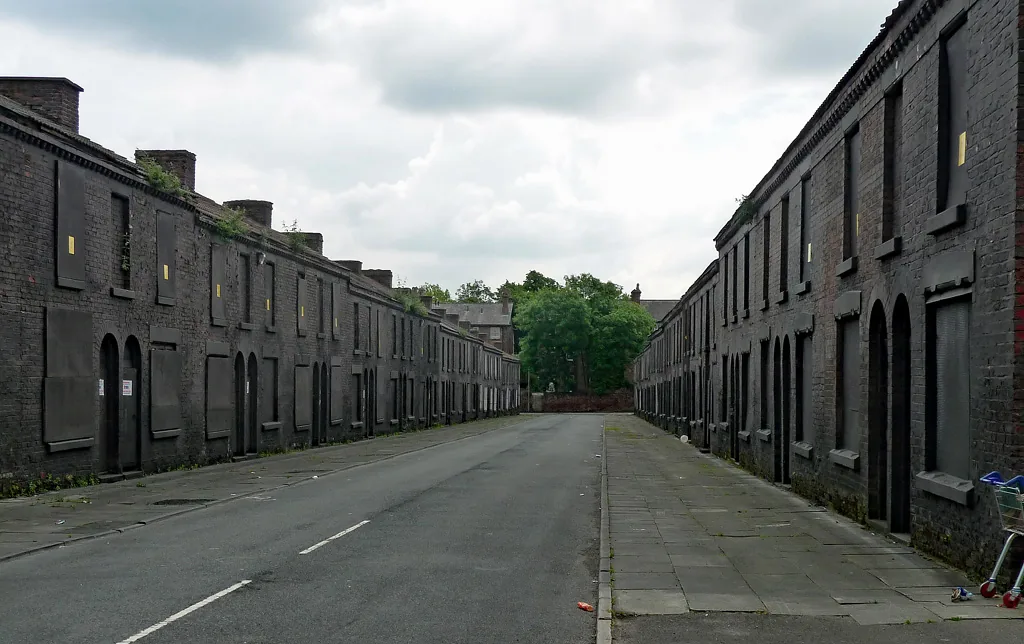
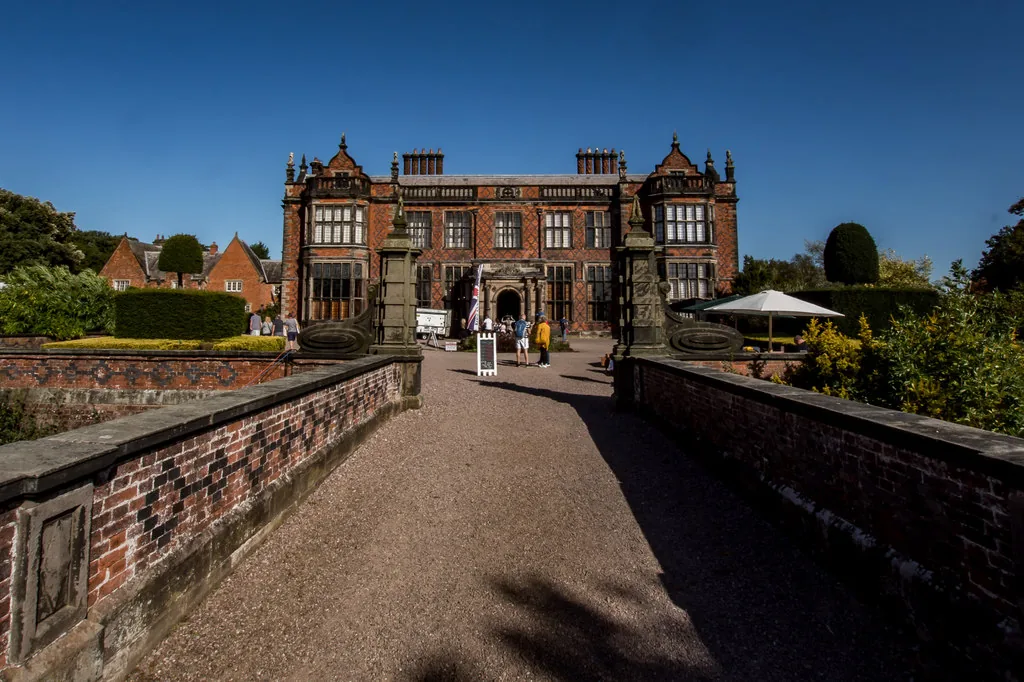
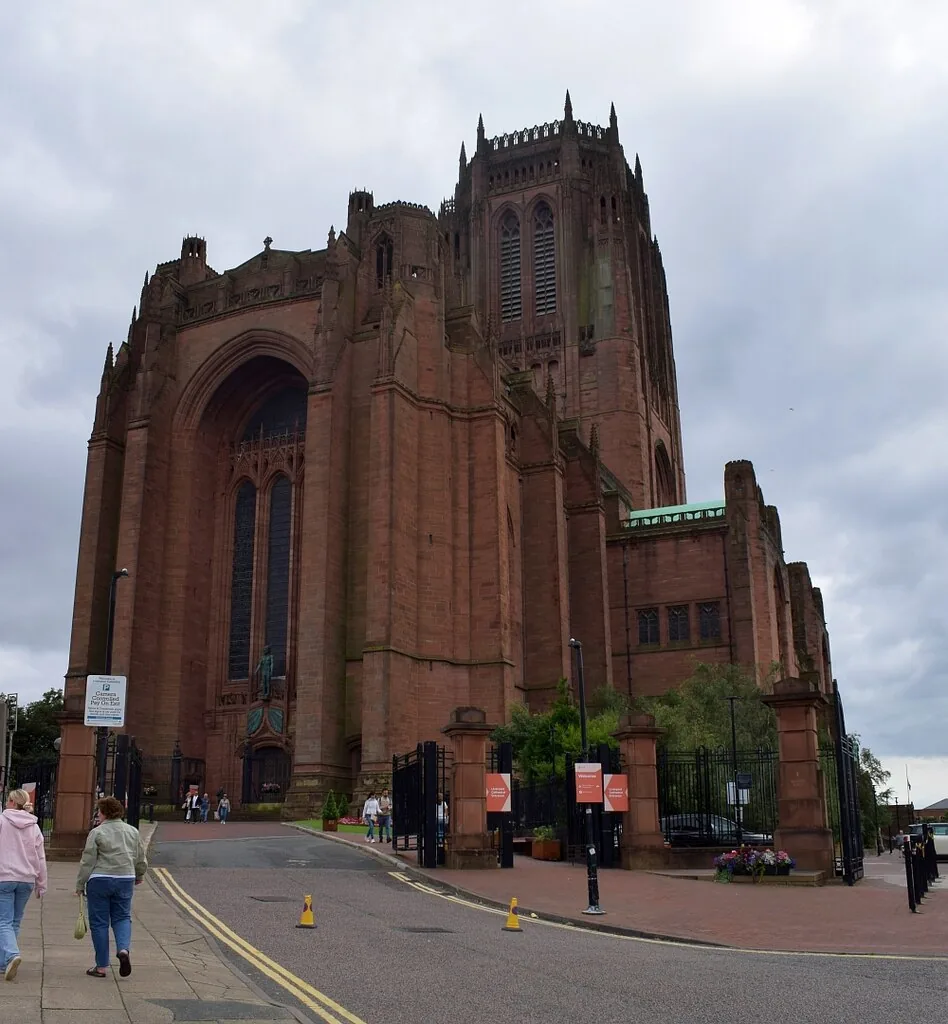
The fictional places map onto the real ones in a tidy way once you know the pattern. Charlie Strong's yard, with its narrowboats and forge, is the boat dock at Black Country Living Museum, and the same museum supplied a canal bridge where Ada meets Freddie and a school building used in series three. Watery Lane, the cobbled street outside the Shelby house and betting shop, was Powis Street in Liverpool's Welsh Streets. The lanes around the Garrison were dressed at Stanley Dock. Liverpool Cathedral plays a Small Heath church, and St George's Hall stands in for a charity dinner, Parliament corridors and a political rally. When the family moves up in the world, Arrow House is a composite of Arley Hall, Tatton Park and Croxteth Hall.
Yorkshire supplied much of the industrial grit. Cater Street in Bradford's Little Germany hosted boxing scenes and doubled for the Shelby company office, Bradford City Hall became Tommy's Westminster office in his years as an MP, and Undercliffe Cemetery was used for a burial ground. The Keighley and Worth Valley Railway, a preserved steam line near Haworth, carried the train scene between Grace and Inspector Campbell in series one. Leeds Town Hall and Salts Mill in Saltaire also appear among the region's production sites.
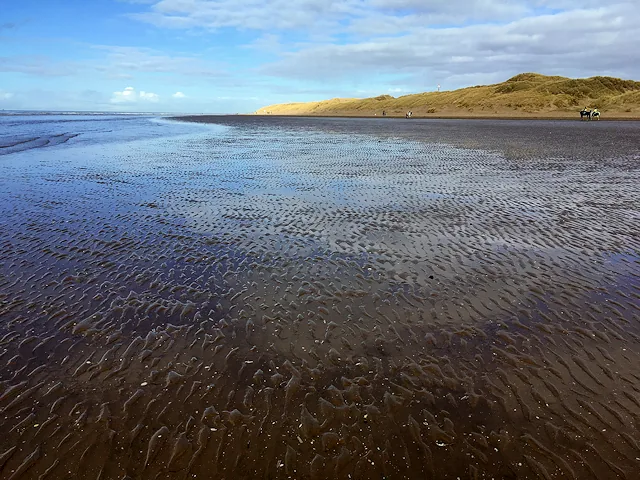
The best way to visit is in three bases. Spend a day at Black Country Living Museum, ideally on a date when its official filming-location tour runs. Spend a day or two in Liverpool, where St George's Hall, the cathedral, Powis Street and Stanley Dock can be seen on foot and by public transport, with Formby Beach and Port Sunlight a short train ride away. Then drive to Cheshire for Arley Hall and Tatton Park, or head east to Bradford, Saltaire and Haworth. Arley Hall's gardens are seasonal and its rooms open on selected days only, so check before you travel.
Some places need care. Powis Street and Port Sunlight are homes, not film sets: stay on the pavement, do not photograph residents or doorways and never knock. Polly's house in Port Sunlight is a private residence and is not identified here. Stanley Dock's warehouses are private or converted, and Undercliffe is a working cemetery. Period dressing from filming has long gone everywhere, and Powis Street has been refurbished since the early series.
The 2026 feature film, Peaky Blinders: The Immortal Man, is outside this guide's scope. For the record, it filmed at Gas Street Basin in Birmingham, Calke Abbey in Derbyshire (Tommy's isolated country house), Didcot Railway Centre and several Manchester and Merseyside sites, and it returned to St George's Hall and Black Country Living Museum. Two further series set after the film are being made around Digbeth Loc Studios in Birmingham, a working studio with no public access.