Follow Vera from the Tyne to the tidal coast
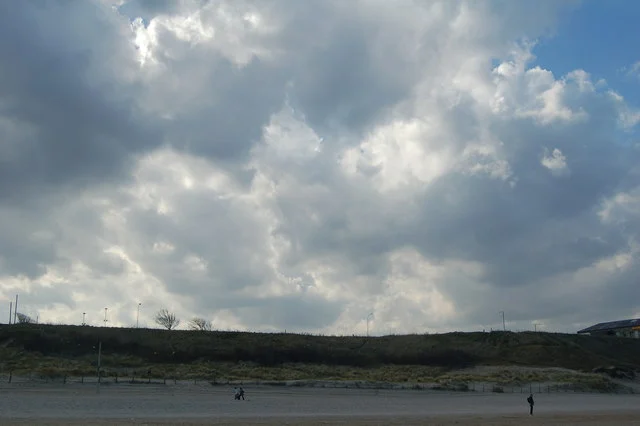
Vera’s North East is a region of working towns, exposed shorelines, market centres and inland water, held together by roads that the television edit can make seem shorter than they are. The programme ran on ITV across fourteen series from 2011 to 2025, with Brenda Blethyn playing Ann Cleeves’ detective. A useful location trip starts by choosing one part of that landscape rather than trying to cover every familiar view in a day. Newcastle and the coastal Metro towns suit a city break, the northern beaches need more time, and Hexham opens a separate route through the Tyne Valley.
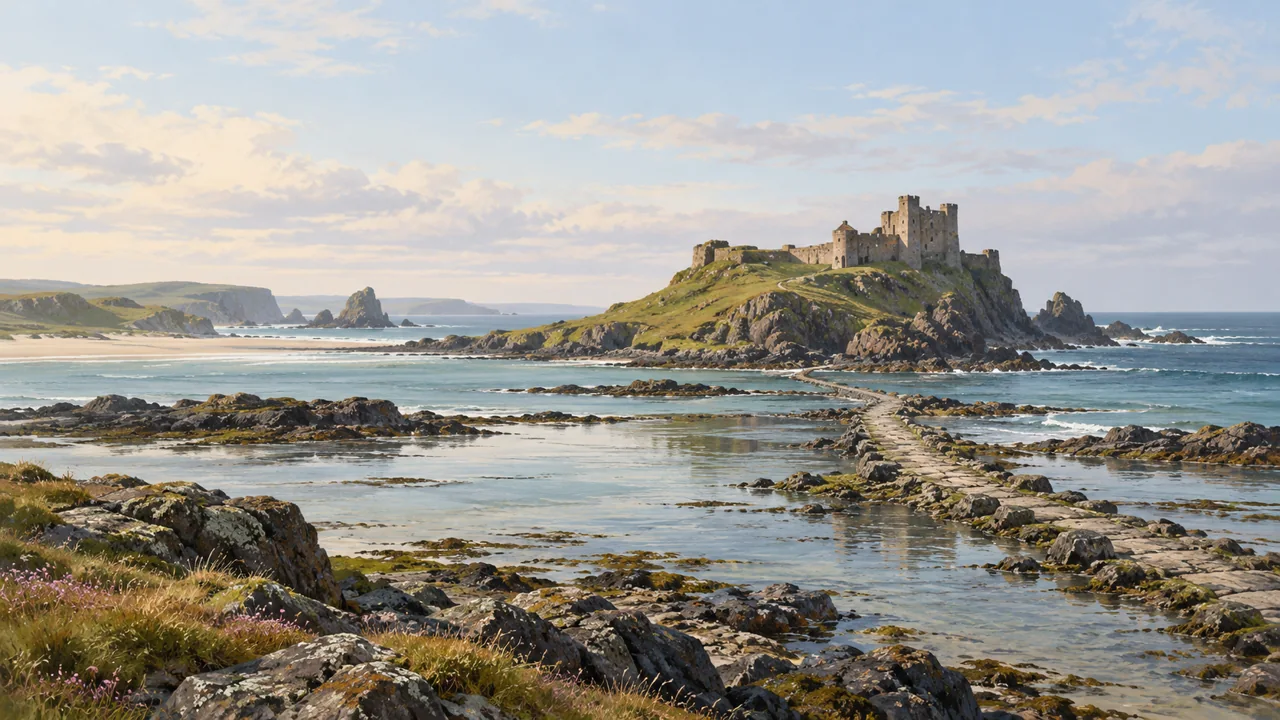
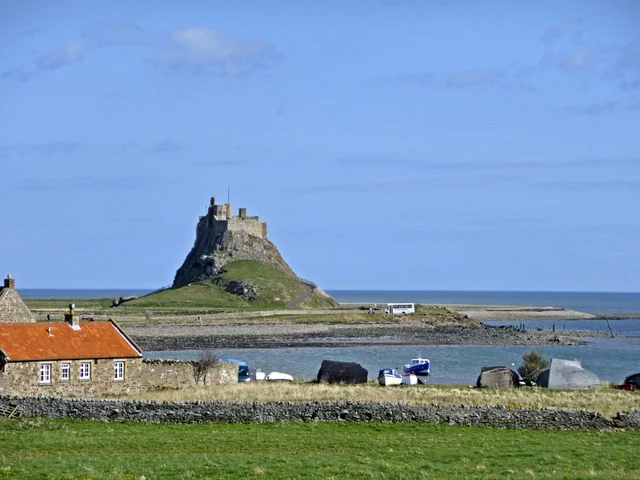
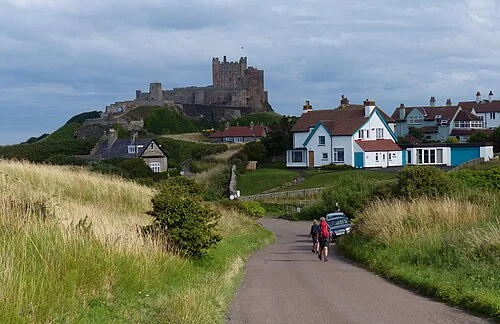
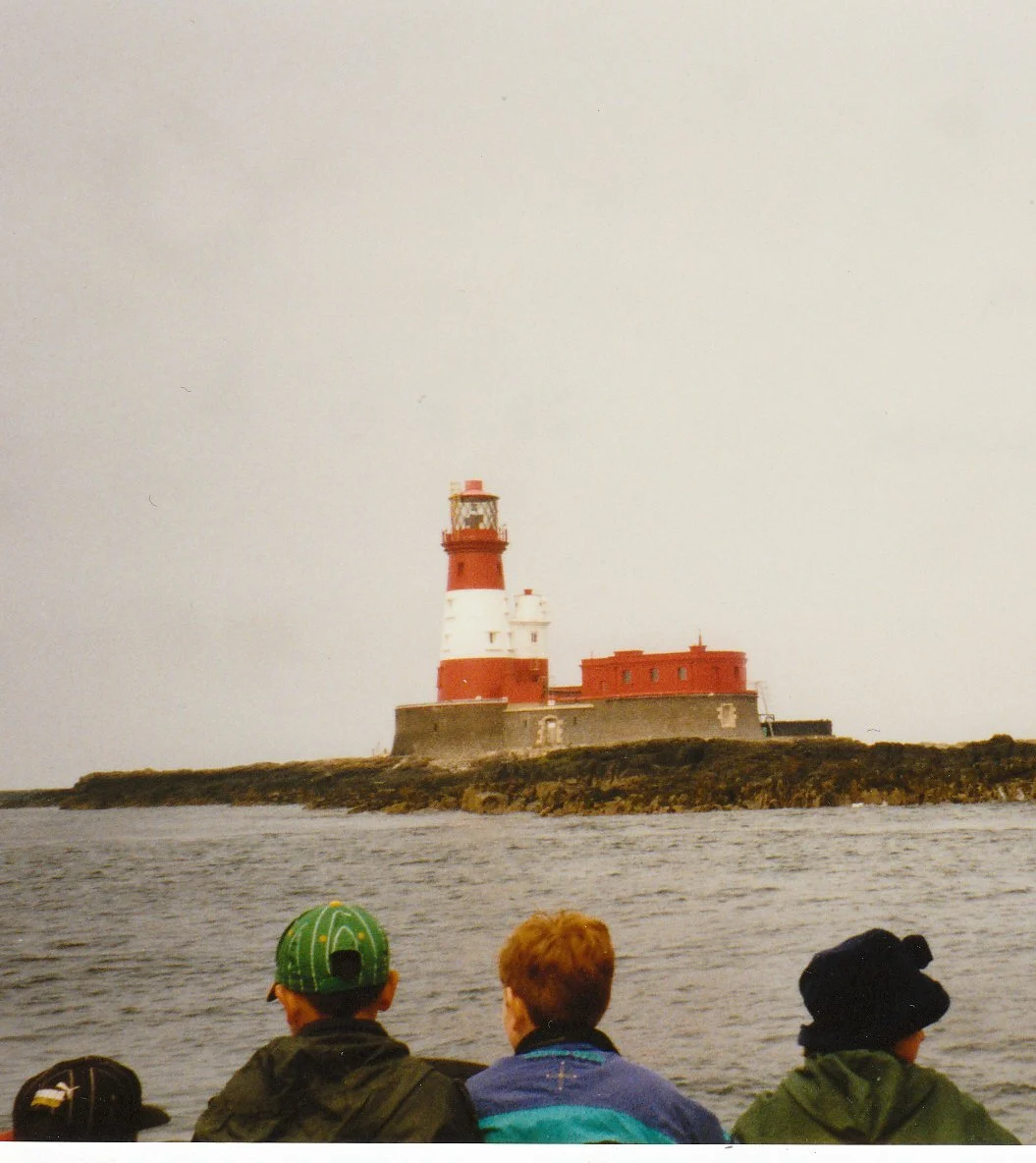
Holy Island is the most recognisable northern setting, but its tidal road is also the strongest practical constraint. This guide uses the island’s public village and landscape while keeping Vera’s private cottage outside the route. The exterior and the studio interior are different parts of the production. On a real visit, the road crossing’s safe times govern arrival and departure regardless of how continuous a journey looks on screen. Bamburgh, Seahouses and the Farne Islands make distinct companion stops: a mainland beach, a working harbour and an offshore archipelago each demand a different kind of visit.
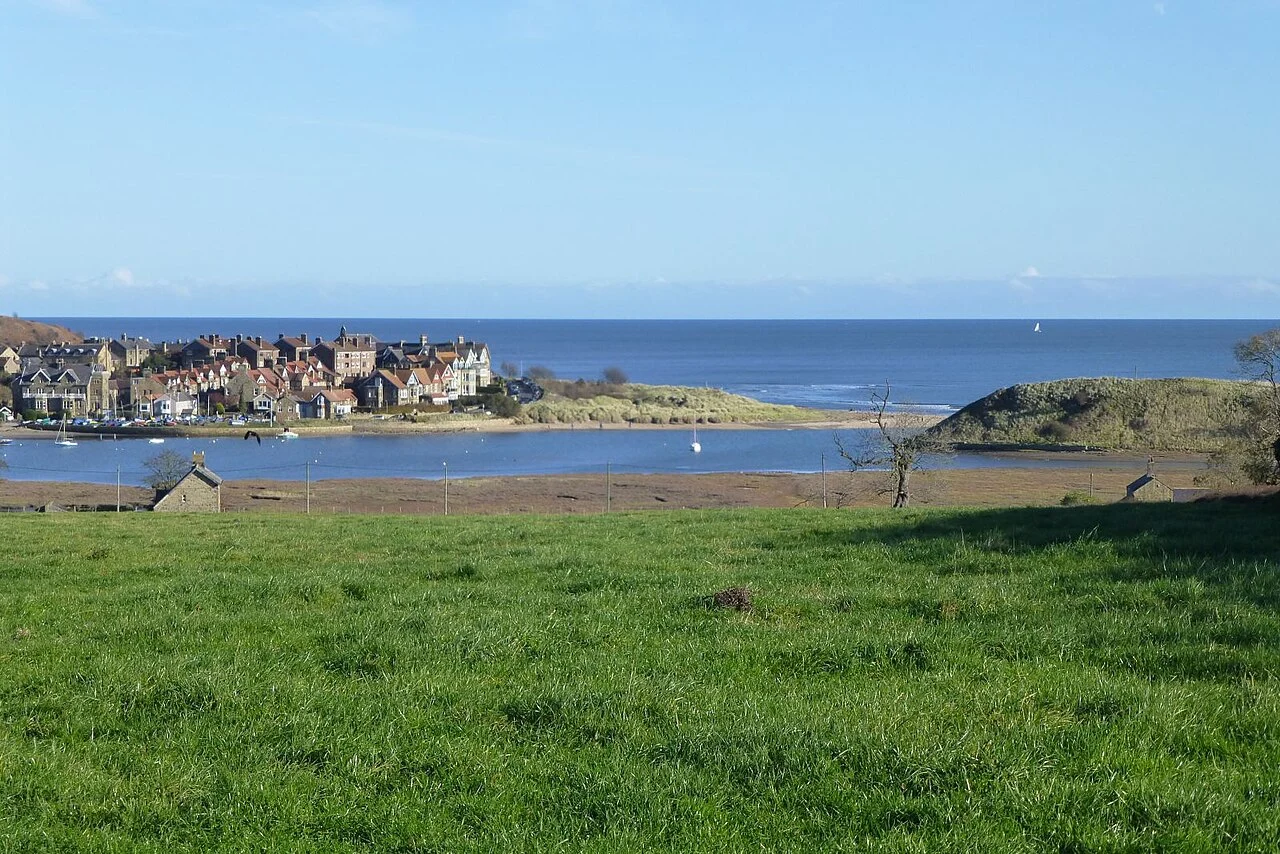
The coast south of those islands has several quieter changes of pace. Craster works as a harbour stop with the option of a longer walk towards Dunstanburgh, while Alnmouth combines village streets with a river-mouth beach. Amble offers a working waterfront and places to eat, and Warkworth adds a compact village and riverside walk. These are real destinations rather than permanent television sets. Temporary signs and dressed premises need not survive between filming and a visitor’s arrival. The guide distinguishes a town or landscape credit from a documented building, so a nearby castle or restaurant does not acquire a screen role by association.
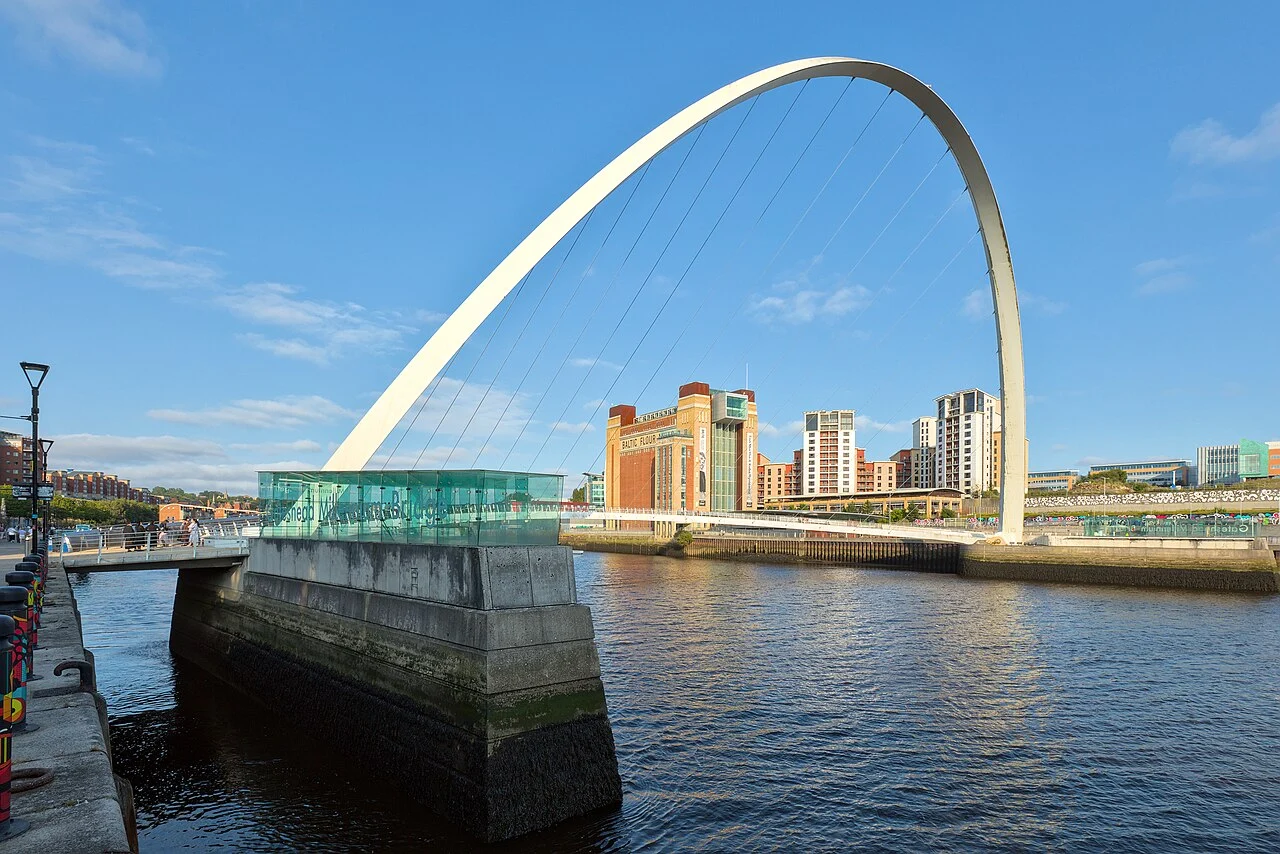
Tyneside gives the route another character. Newcastle Quayside and the Millennium Bridge are public places where you can explore the river’s urban setting on foot. North Shields Fish Quay connects the guide with the beginning of the series, while Tynemouth gives a seaside village and headland reached by Metro. St Mary’s Island has a final-series causeway scene and a separate set of tidal conditions. Its short crossing should never be planned using Holy Island’s timetable. Together these stops make an effective two-day alternative to driving the whole Northumberland coast, with time for food, galleries or a heritage visit between walks.
Inland, Hexham supplies the market-town setting that became Bentham in series thirteen. Wylam’s Hagg Bank Bridge has an explicit filming credit and can be visited as part of a riverside walk from the railway. Blanchland requires an onward road journey, while Kielder Water is a substantially larger reservoir outing associated with Darkwater. Choose the scale that suits your day: a village walk, a bridge circuit and a shoreline expedition should not all be treated as equivalent short stops. The railway makes Hexham and Wylam natural companions, leaving the more rural locations for a separately planned day with suitable transport.
The episode directory is useful for revisiting the stories behind a location, but links appear only where the evidence identifies the episode or series. A general scenic credit does not become an invented crime-scene itinerary. Likewise, working police premises, production buildings and homes stay outside the public map. For a broader screen trip, Alnwick Castle provides a properly separate Harry Potter connection rather than a claim that it was a Vera set. This keeps the guide useful to visitors who want a real walk and reliable access details, whether they have watched every investigation or simply recognise the Northumberland landscape from the programme.