Darrowby, Kembleford, Midsomer and Portwenn borrow the streets of real villages. A visit can be as simple as a public walk and a pause to enjoy the setting, with a separate booking for any customer venue you choose. The places below already have sourced location pages on the site.
These 20 entries describe public village settings, with private homes and yards left outside the visit. The regional groups help you choose an outing; they do not turn distant villages into one continuous day. Use each guide for its particular screen role and practical arrival information, and give the place's everyday life room alongside the filming connection.
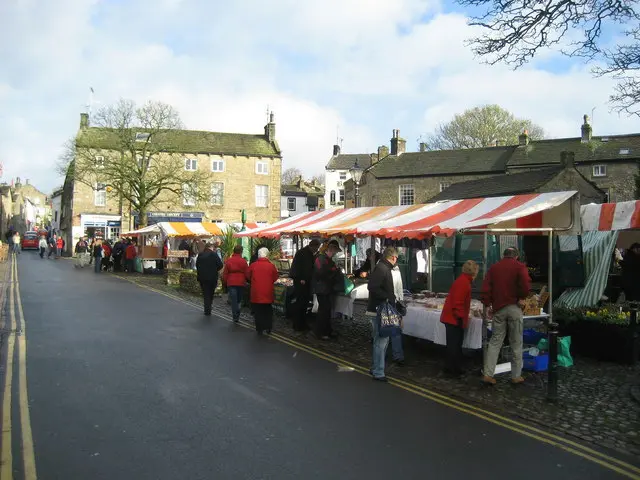
Grassington's market square and nearby streets become Darrowby in All Creatures Great and Small. The village guide distinguishes those public exteriors from temporary signs, shop dressing and props that leave after filming. Start with the square and enjoy the working village as it is today, with businesses serving their ordinary customers. Skeldale's frontage is a private home and belongs outside a filming-door search. Keep entrances clear when you pause for a photograph, and choose a longer Dales outing only when it suits your day. Grassington can be a visit in its own right without turning every recognisable building into a stop.
Goathland supplies Aidensfield's village identity in Heartbeat. Its public streets give the named stops their setting, while the railway station is a separate part of the outing down the bank. Leave time for that change of level instead of treating a village walk and a station visit as the same short stop. The guide gives the supported screen connections, with customer businesses retaining their own opening arrangements. Enjoy the green and wider village scene, watching for livestock and keeping gates clear. A half-day here can leave room to sit, look around and enjoy Goathland beyond the names you remember from television.
Arncliffe's green hosts Darrowby show and bus-stop scenes in All Creatures Great and Small, and the village also belongs to Emmerdale Farm's original outdoor chapter. These are separate productions with their own location pages. The Skeldale rear-yard setting is private and stays outside this public visit. Keep to the green and public roads, park lawfully and leave narrow lanes clear. The village's shared place page brings the supported show connections together without directing anyone towards a home. Choose a short, considerate look or a longer Dales day around your own pace, giving residents room to go about their day.
Esholt is the former real village used for Emmerdale exteriors, with its Woolpack pub offering a separate customer stop. An ordinary walk here is different from admission to the present production set. Enjoy public streets as a whole and leave gardens, yards and domestic entrances alone. The guide avoids house numbers and targeted private-door photographs, so you can recognise the setting without searching for someone's home. If a meal or drink is part of your plan, follow the pub's own information. Keep the visit flexible enough to pause where there is space and move on when the road or pavement becomes busy.
Luddenden gives Happy Valley an existing Calderdale village setting. Its public streets and paths make the village itself the focus of the visit, with slopes and narrow roads shaping the walk. Follow the local visitor information for a comfortable arrival and route, and leave homes and gardens outside your plans. The shared Luddenden page also explains the separate Gentleman Jack connection at the Lord Nelson Inn; it does not turn every village building into a filming stop. Enjoy a general look around, with daylight, the condition of the paths and your return journey deciding how far you continue into the valley.
Blanchland has a documented Vera filming connection in its public village setting. The linked guide keeps that connection at village level, without adding a specific scene or episode here. Take time with the stone centre and decide whether your outing is a short stroll or a longer countryside walk. The Lord Crewe Arms is a working hospitality venue with its own arrangements for customers, while residential access remains separate. Hexham is an existing guide base for this inland chapter. Plan the journey back as carefully as the outward visit, leaving a more remote outing for another day if you want to linger.
Port Sunlight's public village setting surrounds the district used for Polly Gray's new house in Peaky Blinders. The house itself is private and remains unidentified; the village scene is the part to enjoy. Public streets, greens and the village's own visitor information give the outing a different purpose from a search for a domestic frontage. The guide also points to the museum and Lady Lever Art Gallery as separate visitor choices. Keep photographs on the wider setting from public paths, leaving doors and gardens undisturbed. Choose your day for the village as a whole, with any interior visit following that venue's arrangements.
Longnor supplies Lambton village in the 1995 Pride and Prejudice adaptation. Its location page keeps that fictional identity beside the real Staffordshire setting, making it a useful choice for a village-scale visit. Enjoy the public streets at an easy pace, with the surrounding Peak District part of a wider holiday rather than a reason to rush through the centre. Businesses and homes continue their everyday life after the cameras have gone. Leave entrances clear, settle your onward journey before starting a longer outing, and use the linked guide for the particular screen connection instead of assigning every building a role.
Blockley becomes Kembleford village in Father Brown. Start with the existing village guide and choose the public part of the setting you want to enjoy, keeping the church and other named visitor stops separate from private domestic locations. A filming village is also a place where people live, shop and attend services. Give those activities room when taking photographs or walking with a group. The guide's village connection is enough to shape an unhurried visit without approaching a private door. Choose lawful parking or a planned public-transport journey, then leave time to look around before continuing to another Cotswolds stop.
Guiting Power provides additional Kembleford village exteriors for Father Brown. Keep that supporting screen role in mind and enjoy the real village without expecting the whole fictional settlement to fit into one view. Public roads and shared spaces are the visitor setting; gardens, drives and homes are separate. The linked location page gives the filming connection and practical notes before you decide how it fits a Cotswolds day. A brief village look can be more enjoyable than a hurried search for every camera angle. Park considerately, keep entrances clear and let the rest of your outing follow the time you actually have.
Warborough is one of the real villages used for Midsomer settings. Its guide links the village connection with the public green and named location entries, while the working Six Bells pub has its own customer arrangements. Start with the wider village scene and leave private buildings outside the visit. Different episodes can give one place different screen identities, so use the linked guide for the sourced detail instead of treating the fictional name as a road destination. A relaxed walk and a separately arranged pub stop can give the day its shape, with time left for the return journey and ordinary village life.
Hambleden is a recurring Midsomer village setting in the existing guide. Its real streets offer the scale of a village outing without a need to approach private houses. Read the location page for the supported production connection, then enjoy the centre through public space. The point is to recognise a place while leaving it comfortable for residents and other visitors. Keep groups small where pavements or roads are narrow, and use lawful parking rather than stopping beside a favourite frontage. If you plan another Chilterns village afterwards, allow the journey its own time instead of treating two separate places as one continuous walk.
Bampton provides Downton village settings, including the church and the hospital and Crawley family house exteriors described by the guide. The public village walk and access to any individual building are different things. Start with the location page, which explains which exterior plays which part, and follow local visitor information for any advertised interior visit. Leave domestic entrances and private areas undisturbed. Bampton can make a satisfying outing without adding a distant country-house appointment to the same short visit. Choose the village because this part of Downton interests you, then let your travel arrangements and the real opening information shape the rest of the day.
Aldbury village and the Memorial Hall exterior supply Fairhaven and the police-station exterior in The Thursday Murder Club. Those are the specific existing screen connections; the guide does not turn every village building into an attraction. Enjoy the public village setting and keep the hall's exterior role separate from any interior access. Homes, gardens and everyday community uses continue around the visit. Read the location page before setting out, choose lawful parking or a planned transport connection, and leave entrances clear when stopping for photographs. A considerate village outing can be a complete part of the trip without adding private places to a route.
Lacock's village streets become Meryton in Pride and Prejudice, with a separate Downton Abbey village record also linked from the guide. The abbey has its own production connections and admission arrangements, so keep a street walk distinct from a ticketed abbey visit. The shared village page is helpful when you follow more than one show. Enjoy the public setting as a working village, leaving homes and private entrances alone. Temporary production dressing is not part of an everyday visit. Choose whether you want a village stroll, a separately booked attraction or both, leaving each enough room in your day.
Shere is the Surrey village around Iris's English home in The Holiday. The guide makes an important distinction: Rosehill Cottage was a purpose-built film set, so there is no cottage house visit to add to the public village outing. Enjoy the real streets and the named public places described by the guide without looking for a private domestic substitute. A December visit benefits from short-day planning and the opening information of any venue you choose. Settle the return journey before you linger, keep residential entrances clear, and let the village itself be the reason to spend time here.
Port Isaac becomes Portwenn, the village at the heart of Doc Martin. The harbour and public streets offer a clear starting point, with working pubs, shops and other customer venues following their own arrangements. The private surgery frontage and other domestic settings are outside the visitor trail here. The existing guide explains the public places individually, helping you choose a walk without gathering around someone's home. Enjoy the harbour as a real working setting and leave space on lanes and entrances. A village stay can give you more time, but it does not create access to private filming locations.
Lavenham's public village streets provide recurring backgrounds in Lovejoy. The existing location entry keeps the village connection broad, so there is no need to attach an unsupported episode or fictional house to every view. Choose a public walk and enjoy the real streetscape, with homes and customer businesses retaining their normal boundaries. Its Suffolk setting makes it a separate chapter from the Cotswolds and Cornwall villages on this page, not another stop in one continuous route. Plan the outward and return journey for Lavenham itself, leaving enough time to enjoy the place beyond recognising a television background.
Culross becomes Cranesmuir and supplies other village settings in Outlander, including the Castle Leoch herb-garden connection described in the guide. Public streets and admission to individual visitor spaces need separate planning. Use the location page to distinguish those screen roles before choosing what you want to see. The village continues its everyday life around recognisable views, so keep entrances clear and leave private areas alone. A Fife outing can be as simple as one careful village visit, with another stop saved for later if the day shortens. Follow the operator's own arrangements for any ticketed part of the visit.
Falkland village supplies 1940s Inverness in Outlander, including the Bruce Fountain and Mrs Baird's guesthouse setting. It is separate from Falkland Palace's apothecary role, even though the two real places can appear in the same wider plan. Begin with the public village setting and read each location guide before deciding whether a separate palace visit suits your date. Hospitality venues retain their customer arrangements, and private entrances remain private. The village's screen identity can guide an enjoyable walk without requiring a search for domestic interiors. Allow time for the place itself and arrange your return journey before extending the day.
Use advertised parking and public roads or paths, keeping drives and entrances clear. Give a small group somewhere safe to pause, and leave domestic windows and gardens out of your photographs. A screen village is a living place, with ordinary visitors, deliveries and community events sharing the space.
Great Slaughter needs a more specific distinction. The Sister Boniface hall entry concerns Great Barrington Village Hall, whose access follows bookings and events. It is a building connection, not a claim that the whole village plays Great Slaughter.
Use each venue's own opening information for any church, hall, museum or pub visit. The public-street scope here promises no interior admission and sends nobody towards a private filming home.
Choose a base for your visit
Each link searches the named public village or its existing guide base. Choose individual places for your holiday; the regional cards are not continuous touring routes.