Three adaptations, several different Pemberleys
Start with the adaptation you remember, because Pride and Prejudice does not have one permanent set of filming locations. The BBC's six-part 1995 series, Joe Wright's 2005 film and Netflix's 2026 series use different real places to create Austen's fictional England. Pemberley, Longbourn, Netherfield, Meryton and Rosings are story locations, rather than reliable names to enter into a route planner. Selecting a version first helps turn a remembered view into a useful destination. It also explains why two visitors asking for Pemberley might mean a Cheshire lake, a Derbyshire gallery or a Wiltshire room. This guide keeps those versions visible throughout the location list and map.
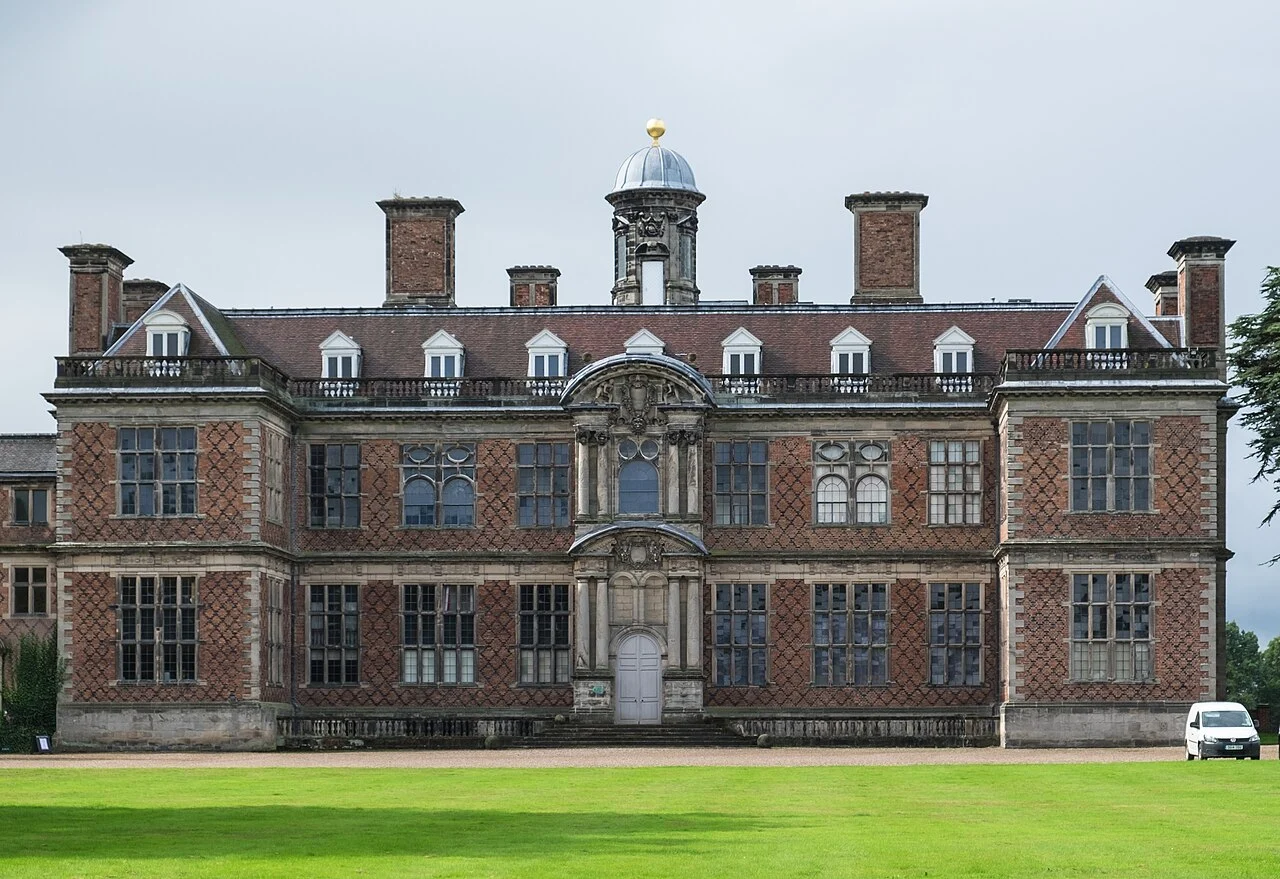
For the 1995 series, Lyme supplies Pemberley's exterior and grounds. The encounter with Darcy after his swim belongs to episode four, broadcast on 15 October 1995, as the BBC's retrospective confirms. The interior visit belongs elsewhere: at Sudbury Hall the housekeeper shows Elizabeth the Library, Saloon and Long Gallery. That gallery is where she considers Darcy's portrait, while later entertainment includes Georgiana at the piano. Visiting both properties explains the television estate more fully than expecting Lyme's real interior to reproduce every room. Plan them as separate visits with a real journey between them, giving the gardens and historic rooms time beyond the brief scenes that made them familiar.
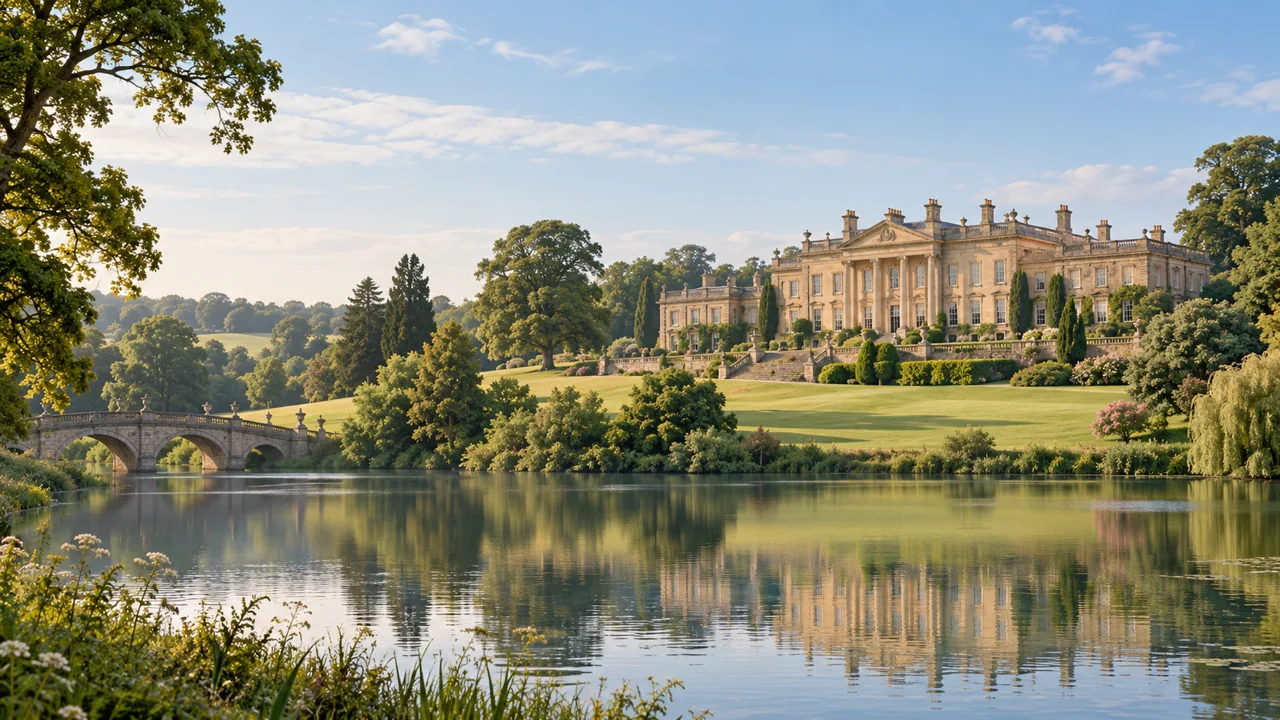
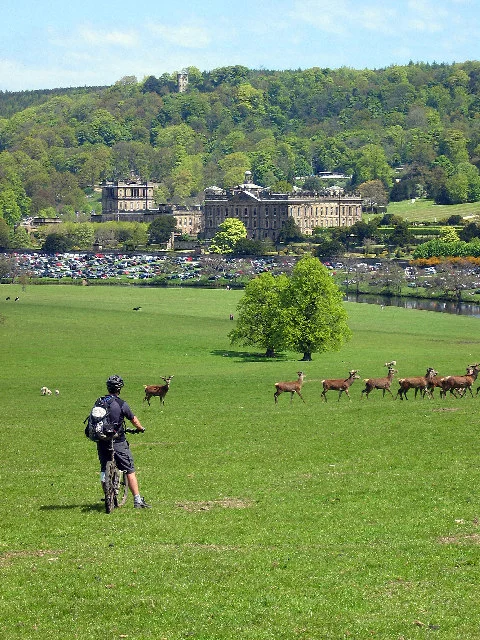
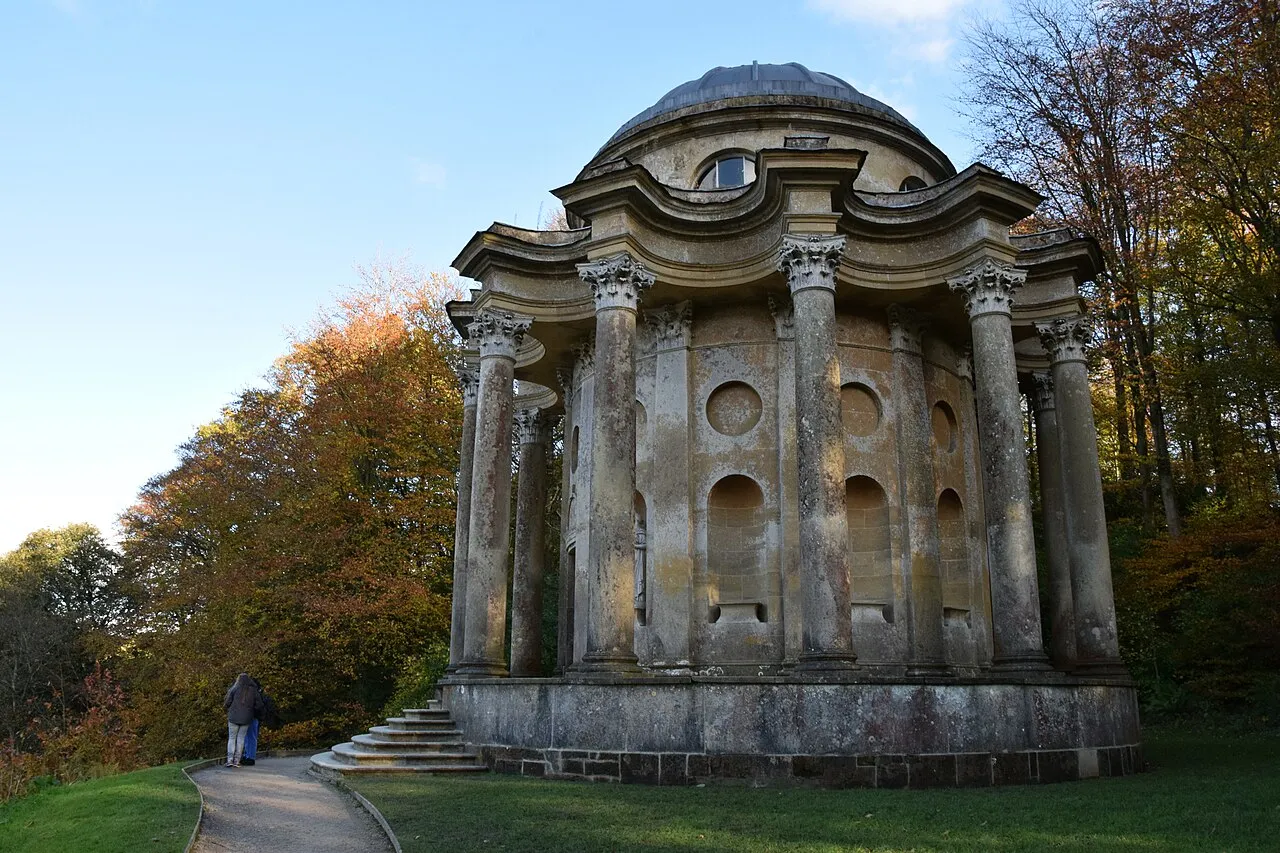
The 2005 film changes the experience again. Chatsworth becomes Pemberley, with its Sculpture Gallery replacing the novel's portrait-gallery encounter. The estate explains that director Joe Wright made use of the sculpture collection when staging Elizabeth's visit. The surviving Darcy bust is a production prop, while the veiled Vestal Virgin is part of the genuine collection. Wilton House supplies another component of the film's Pemberley, including the Double Cube Room identified by VisitWiltshire. Rosings is also assembled across locations: Burghley is Lady Catherine's house, and Stourhead's Temple of Apollo provides the rain-soaked first proposal. A good itinerary acknowledges those different properties rather than treating the fictional estate as a single visitor attraction.
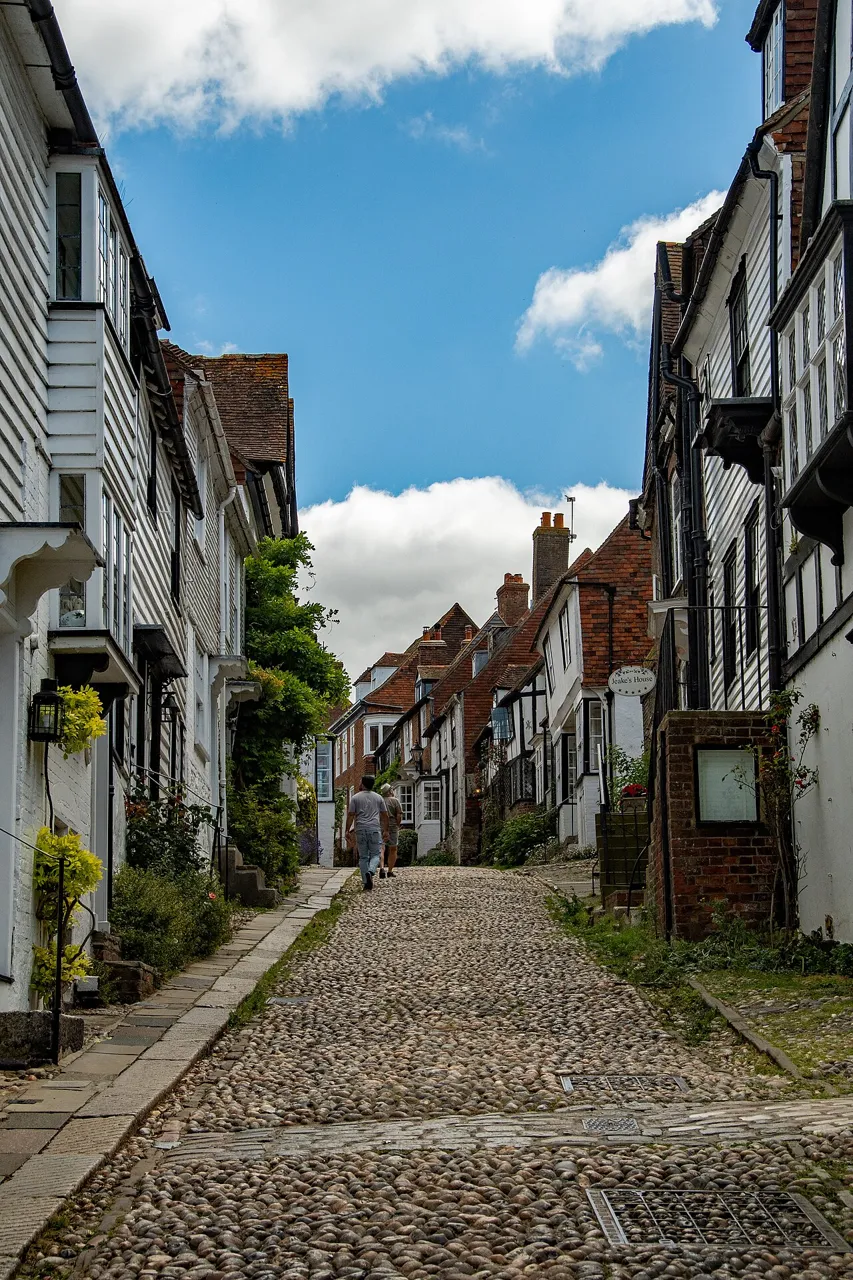
The new Netflix series is announced for 3 December 2026, with six episodes confirmed by Netflix. Its Kent, Sussex and London reporting adds a different set of places to the story. National newspaper coverage identifies Rye with Meryton, while Deal and Spitalfields also appear in location reporting. A general filming connection does not by itself identify every doorway, room or episode, so the new records retain the distinction between a town used by the production and an individually evidenced screen scene. Rye's public streets and Deal's promenade can be enjoyed as ordinary town visits without entering a filming property. Temporary signs and street dressing should not be expected to remain after production.
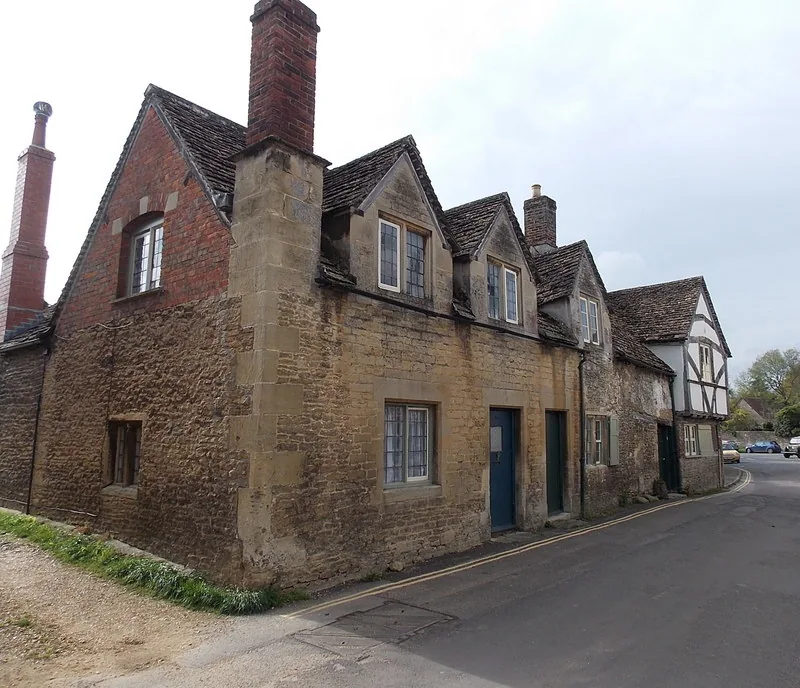
Some of the most familiar houses need the most restrained visitor advice. Luckington Court, the 1995 Longbourn, is described by VisitWiltshire as a private home. Groombridge Place supplies the Bennet house and grounds in the 2005 film, but older descriptions of a proposed hotel conversion should not be treated as proof of present visitor access. Neither connection creates permission to enter gardens, stop at gates or use a residential driveway. The public village streets at Lacock and Stamford provide alternatives with clearly documented screen identities. Keeping private houses as background context allows a route to concentrate on places that actually welcome the type of visit being suggested, rather than encouraging a search around occupied entrances.
National Trust places form much of the established route, but their visitor experiences differ. Belton's house and gardens explain the 1995 Rosings; Basildon Park is the 2005 Netherfield; Stourhead is an outdoor garden walk; Sudbury now operates as The Children's Country House. Choose admission around the rooms or landscape that interest you, rather than assuming all country houses offer the same opening pattern or level of access. Travel planning also changes from place to place. Disley has an official walk to Lyme, whereas Basildon explicitly advises a pre-booked station taxi instead of walking the busy approach road. Those practical distinctions matter more than assembling the largest possible number of stops in one day.