
Without a car
Sevenoaks and Knole
Use Sevenoaks station for a separate Knole day; allow for the uphill walk or arrange onward transport. Keep the Yorkshire moorland locations for another outing.
Visit the real landscapes and heritage places used in Emerald Fennell’s 2026 Wuthering Heights, from Swaledale and Calderdale to Wentworth and Kent.
This guide covers Emerald Fennell’s 2026 film only, released in UK cinemas on 13 February 2026. Earlier adaptations have no filming pins in this guide.
This guide covers Emerald Fennell’s 2026 film, released in UK cinemas on 13 February 2026. Earlier adaptations and places linked to Emily Brontë’s life remain separate.
Use Reeth or Richmond to organise the Swaledale group. Plan Calderdale, Wentworth and Knole as separate outings rather than one long filming-location circuit.
There is no single public farmhouse offered as the complete screen home. Private buildings are outside the map and routes; the visitor stops focus on public landscapes and attractions.
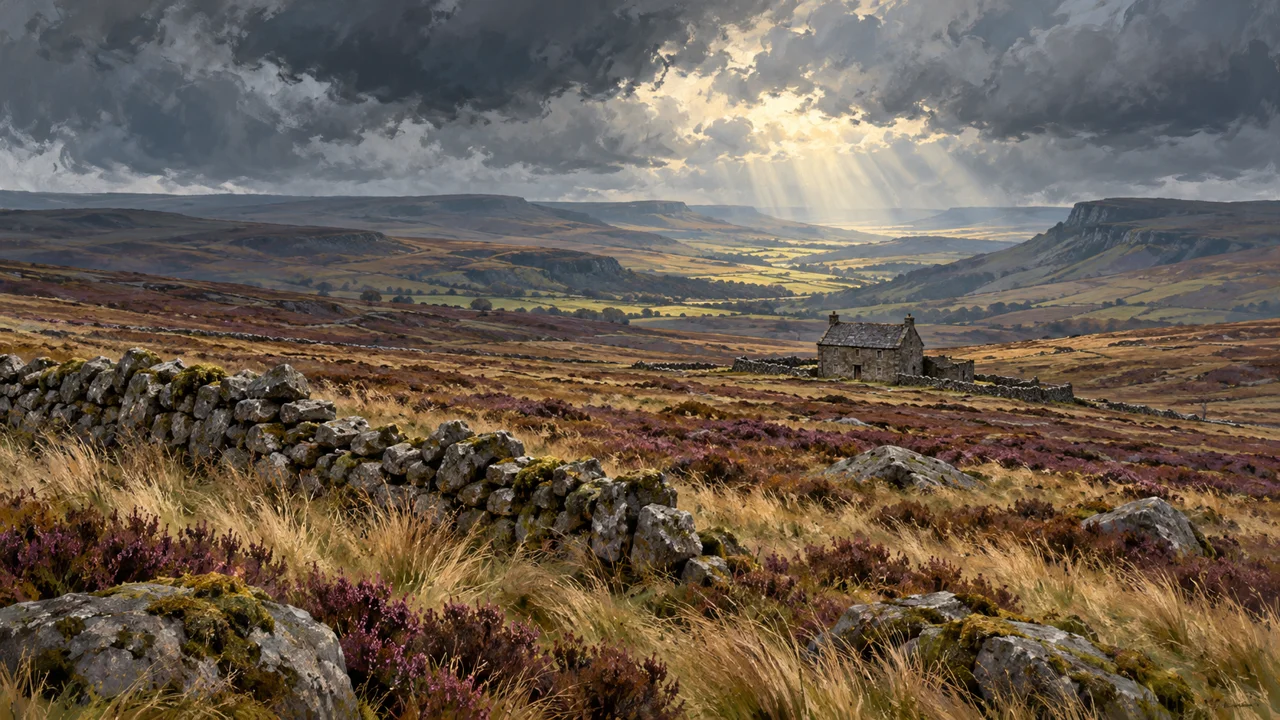
Geographic coverage: Swaledale and Arkengarthdale; Calderdale moors; South Yorkshire; Kent.
Coverage in this guide: 7 public-place records have photographed location pages. 0 main location records fall outside the public-page count because of their access classification. There are also 1 additional context entries, kept outside the visitor-page count. 1 of those are explicitly marked private.
These are catalogue counts, not a promise of admission. A photographed public place may still need a ticket, an open day or permission for a particular interior. Read its access notes before travelling.
open moorland landscapes around the fictional Yorkshire setting
Read the location guide →Combine Low Row with the public Surrender Bridge approach and a planned walk to Old Gang Smelt Mill. Full day; Car and walking.
Plan this visit →Use these as starting points, then check the named venue’s current arrangements for your visit.
Without a car
Use Sevenoaks station for a separate Knole day; allow for the uphill walk or arrange onward transport. Keep the Yorkshire moorland locations for another outing.
With children
Choose Knole for its family programme and parkland rather than a long sequence of exposed moorland stops. Check the current activities and keep away from wild deer.
Plan for access needs
For a landscape-led option, assess the opening 3 km against your requirements: compacted aggregate, at least 2 m wide and gradient up to 1:10. This is an exposed outdoor route; later ground is more undulating and toilets are in Reeth.
A wet-weather option
Use an admitted showroom visit as the indoor alternative to the Dales landscape. Check seasonal room closures; wheelchair access inside the house is limited to the Great Hall.
For photographs
Choose the admitted courtyards and permitted outdoor views at Knole for personal architecture photographs. Ask staff before taking pictures indoors; no indoor flash or tripod, and commercial use requires prior agreement.
Start here, then browse the full list by area.
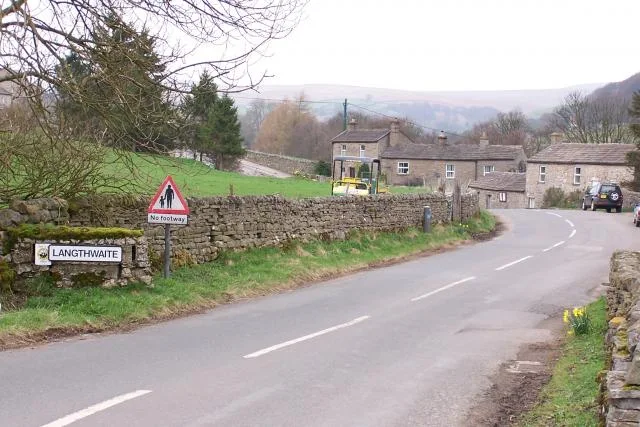
open moorland landscapes around the fictional Yorkshire setting
See the location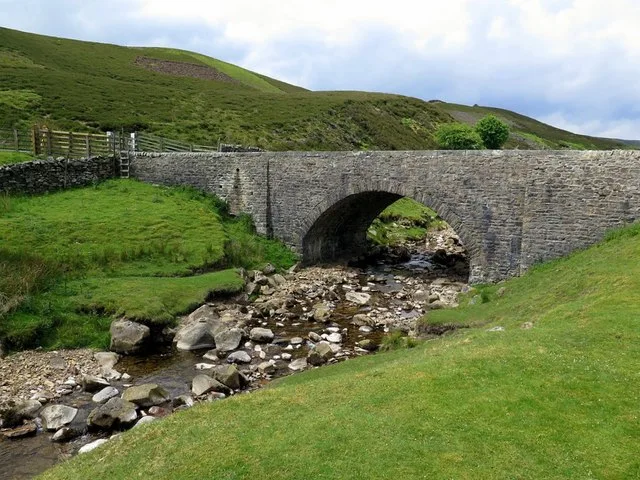
moorland approach and track used in the 2026 production
See the location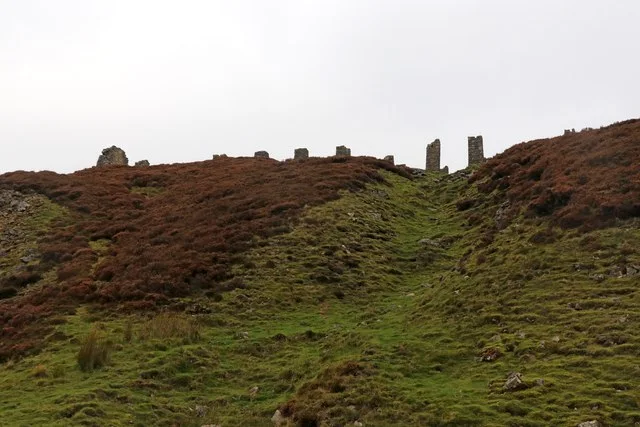
moorland track and industrial-ruin landscape in the 2026 film
See the location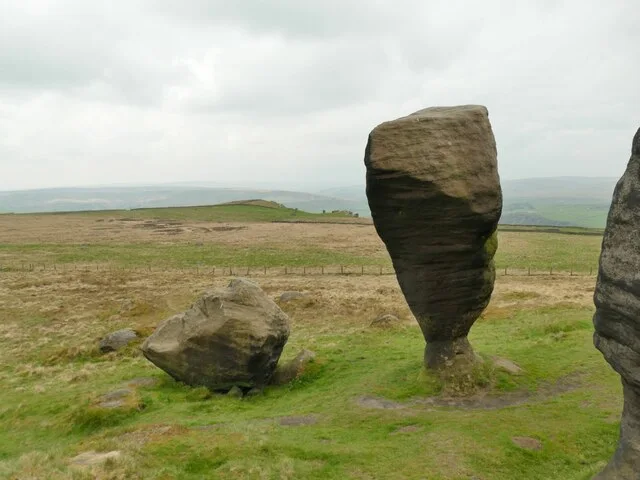
gritstone and moorland scenes for the 2026 film
See the location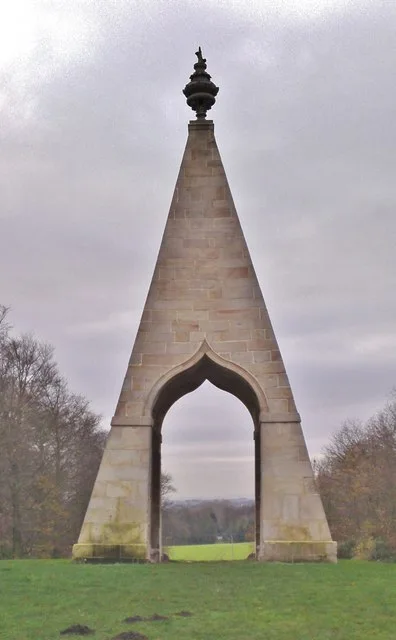
Cathy and Heathcliff’s childhood shelter and adult reunion
See the location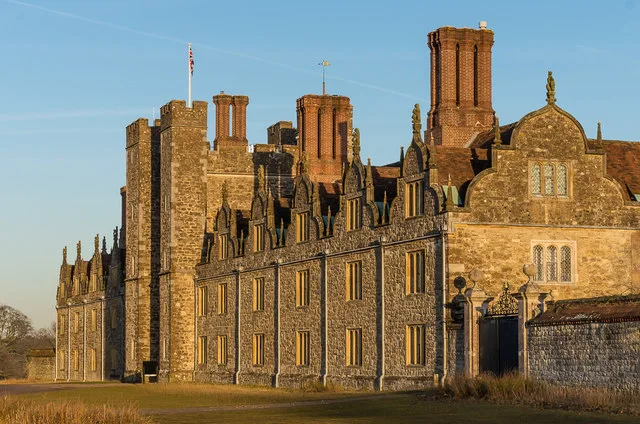
opening scenes of the 2026 film
See the locationFilter by area and access. Private homes, farms and working sites are kept off the visitor map.
Combine Low Row with the public Surrender Bridge approach and a planned walk to Old Gang Smelt Mill.
Open the day outUse Langthwaite as the public approach for an Arkengarthdale walk chosen for your group and the weather.
Open the day outTravel to Todmorden and arrange the onward journey before starting a public-path visit to Bridestones Moor.
Open the day outUse one base and check every dated or ticketed stop before travelling. Booking.com links are paid links: we may earn a small commission at no extra cost to you.
Reeth · Richmond · Hawes · Hebden Bridge
Emerald Fennell’s 2026 Wuthering Heights joins a fictional story to a varied real landscape. The places in this guide include moorland, a village, an industrial ruin and a country-estate monument. They do not form one continuous geography, even when the edit makes a journey between them feel immediate. Begin with the part of the country you actually want to explore, then choose a few stops that can be enjoyed at a walking pace. A long drive followed by an improvised hill walk rarely leaves enough time to appreciate either.
The North Yorkshire group centres on Swaledale and Arkengarthdale. Low Row offers a village stop, while Surrender Bridge is the starting point for the Old Gang landscape. Bouldershaw Lane has a specific connection to the white wedding-gown scene described by Visit North Yorkshire. These places can help you recognise the film’s terrain, but recognition does not require a precise camera position. The useful visitor route is the lawful path that exists today, with safe parking and a return plan, rather than an attempt to follow a character across edited shots.
Arkengarthdale needs the same care. The landscape credit extends to Booze Moor, while Langthwaite is used here as a public approach to the wider dale. The distinction matters because a map marker cannot stand for permission to drive over a moor or enter a farmyard. Decide whether your visit is a short village outing or a longer walk before you leave your base. Give livestock, working vehicles and residents the space they need, and let the conditions set the scale of the day.
The Calderdale part of the guide is Bridestones Moor above Todmorden. Its rock formations belong to a community-owned nature reserve, with the responsibilities that come with visiting upland habitat. It is a separate destination from the Dales locations and from similarly named rocks elsewhere in Yorkshire. A rail arrival at Todmorden is useful only when you have also arranged the onward journey and a suitable walking route. The final approach deserves its own time allowance, especially after rain or when the ground is already soft.
South Yorkshire provides a different sort of screen landmark at the Needle’s Eye. The Wentworth estate folly is a built feature in a rural walking landscape, and Visit Rotherham links it to the film. Keep the monument separate from a house-and-garden visit to Wentworth Woodhouse. Each has its own arrival and access considerations. If you want both, make a day of them and confirm your route rather than assuming a mansion ticket is a shortcut to every estate monument. Historic masonry should be viewed and protected, not climbed for a photograph.
Knole makes the film trail reach Kent. Kent Film Office confirms that opening scenes were filmed at the Sevenoaks estate, so the guide includes a proper visitor stop there. It belongs to another travel day, with National Trust parking, admission and seasonal opening arrangements. An indoor visit and a park walk also require different expectations. A screen connection can be a reason to choose the property, but the actual public route and the property’s conservation arrangements should determine where you go once you arrive.
Earlier screen adaptations have their own casts, creative decisions and filming places. Their associations should not be carried across to the 2026 film simply because the title is shared. This guide therefore keeps the older productions in this contextual note and supplies no pins for them. Likewise, a literary connection is different from a production credit: Haworth and the Brontë Parsonage Museum belong to Emily Brontë’s life and writing, while the confirmed 2026 visitor locations are listed separately. This distinction lets you enjoy both kinds of journey without confusing their evidence.
The film entry records the UK release as 13 February 2026 using the BFI. Its short premise is a viewing aid, with the confirmed visitor locations linked to the single film entry. There is no television episode sequence here. If you have not seen the adaptation, consider watching before comparing individual places, since a location description can reveal how a scene is used. Reading the novel adds another perspective, but the book, the film and the real countryside need not match in every detail for a visit to be rewarding.
A practical first break could spend a full day in the Swaledale group and leave another day free for weather or a village-based outing. Visitors who prefer public transport should choose a base around the services they can actually use, including any advance-booking requirements. The guide’s routes are suggestions for organising public stops, not transport guarantees. Leave room for a slow walk, a meal and an early return when the weather turns. There is no need to complete every place to have a coherent and enjoyable trip. Keep a spare afternoon for a slower return to the landscapes you most enjoyed, allowing time to explore their history independently of the screen connection.
These places add context but are not filming-location claims.
Visit Emily Brontë’s Haworth home for the novel’s history. This is a literary stop, not a claimed filming location for the 2026 production.
Visit the official siteExplore another screen journey through Swaledale and the Yorkshire Dales, with each location matched to its own production.
Visit the official siteUse the Happy Valley guide for a separate Calderdale visit, including town and valley stops for days when the moors are unsuitable.
Visit the official sitePlan a separate Calderdale town day with Happy Valley. Hebden Bridge provides rail connections, while the moorland film stops require their own weather and access plans.
Visit the official siteUse the official film website for viewing options. Availability depends on territory and platform.
Read Emily Brontë’s Wuthering Heights alongside the 2026 adaptation, allowing the novel and film their own geography and creative choices.
Emerald Fennell’s 2026 film only, with the UK cinema release dated 13 February 2026 by the BFI. Read more
Reeth and Richmond are useful starting points. Choose around the transport and walking plans you will actually use. Read more
Visit North Yorkshire describes it as the production base and explicitly separates that role from filming. It is a trip base here, without a filming pin. Read more
Private farm buildings and occupied homes are excluded from public routes and maps. Use the public landscapes and attractions. Read more
Haworth and the Brontë Parsonage Museum are literary context in this guide, connected to the novel and its author. Read more
No. The National Trust estate is at Sevenoaks in Kent and needs a separate travel day. Read more
Some places have useful rail gateways and valley buses, but remote trailheads need a complete onward and return plan, sometimes booked in advance. Read more
Surfaces and gradients vary. Use the named route information for Old Gang and the reserve guidance for Bridestones before deciding. Read more
Guide references support the documented places and screen connections described here. Visitor planning sources cover travel, facilities or venue arrangements; their inclusion does not establish a filming claim or confirm that access is unchanged today.
Updated 18 October 2026.
This is a selected catalogue of documented places, not an exhaustive list of every camera position. A production-level filming credit does not prove which episode, room or viewpoint was used. Location pages separate filming sources from current visitor information.
1 public-place record does not have a location photograph. No substitute view is used to imply photographic evidence.
A screen connection alone does not make a place worth a special journey. These examples use the catalogue’s existing access and visit-duration notes; they are not a popularity ranking.
These public-place records have no location photograph in this guide. A photograph of a different place is not used as a substitute.
Download the current catalogue’s known-gap register (JSON). It lists defined catalogue limits, not a complete filming census or an instruction to visit private places.
Private farms and occupied homes are not visitor stops. The map gives public places and visitor approaches, without residential addresses or pins for agricultural buildings. Do not enter a yard, cross a wall, photograph through windows or follow someone onto private land because the view resembles a scene. Working tracks may carry livestock and vehicles. Keep gates as you find them, dogs under control and groups small enough for others to pass. The film’s production access was a temporary arrangement and does not become public access after filming finishes.
Location list reviewed 18 October 2026. Opening arrangements are separate: use each venue’s official information before travelling.
How we check filming evidence · Suggest a sourced correction to this guide