
Without a car
Hampton Court by train
Use Hampton Court as a self-contained palace day from its railway station. Check engineering work and leave time for admission rather than combining distant filming houses.
Follow Thomas Cromwell’s Tudor world through Somerset houses, Wiltshire gardens, medieval cathedrals and the Great Hall at Hampton Court.
This guide covers Wolf Hall (BBC Two, 2015) and Wolf Hall: The Mirror and the Light (BBC One, 2024).
Country houses and cathedrals across England supply the Tudor court. Montacute plays Greenwich, Great Chalfield plays Austin Friars and Lacock provides the Seymour home’s exterior.
Several offer seasonal tours or ticketed visitor routes. Barrington Court House is closed for repair, and private properties and the working school at St Donat’s are outside these routes.
Both the six-part 2015 series and the six-part 2024 sequel. The episode list keeps the two productions separate and links only the scenes identified by production sources.
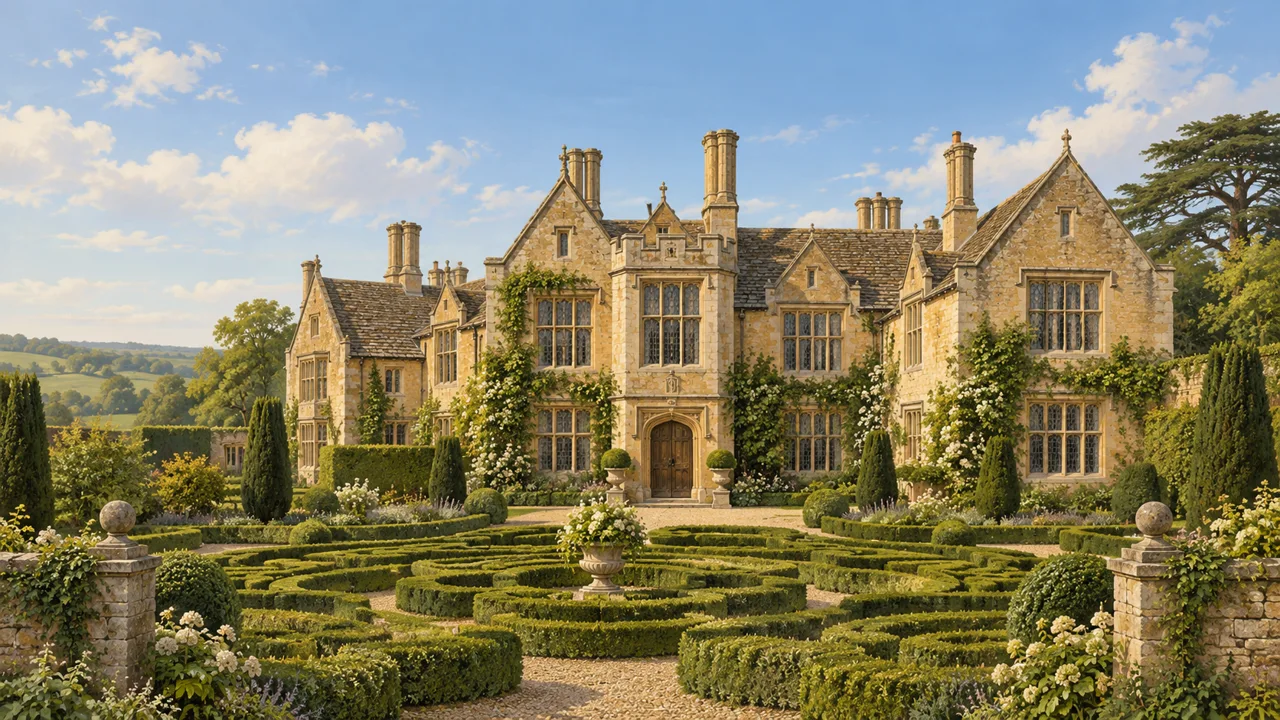
Geographic coverage: Somerset; Wiltshire; Gloucestershire and Bristol; Oxfordshire and the Cotswolds; Kent and London; Derbyshire; South Wales; Dorset and Hampshire.
Coverage in this guide: 20 public-place records have photographed location pages. 0 main location records fall outside the public-page count because of their access classification. There are also 7 additional context entries, kept outside the visitor-page count. 7 of those are explicitly marked private.
These are catalogue counts, not a promise of admission. A photographed public place may still need a ticket, an open day or permission for a particular interior. Read its access notes before travelling.
Start with Montacute, move to Barrington’s gardens and finish in Wells if the opening hours allow. This is an ambitious driving day; the cathedral and palace are a more relaxed separate day. Full day; Car.
Plan this visit →Use these as starting points, then check the named venue’s current arrangements for your visit.
Without a car
Use Hampton Court as a self-contained palace day from its railway station. Check engineering work and leave time for admission rather than combining distant filming houses.
With children
Hampton Court offers Tudor rooms and the Magic Garden adventure playground. Check the garden’s operating programme and let the family’s interests set the day’s length.
Plan for access needs
Ask a Palace Host about the staff-operated lift for the State Apartments. Uneven surfaces remain, and first-floor Tudor World access includes four steep steps.
A wet-weather option
Focus the visit on open palace rooms and kitchens in poor weather. Allow for outdoor arrival and moving between areas, and check temporary route closures.
For photographs
Choose permitted palace rooms for personal photographs without flash, tripods or selfie sticks. The Chapel Royal, Cumberland Art Gallery, temporary exhibitions and other signed items are excluded.
Start here, then browse the full list by area.
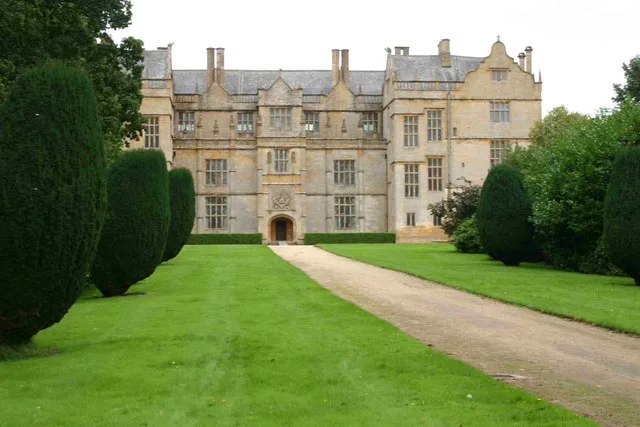
Greenwich Palace in both series
See the location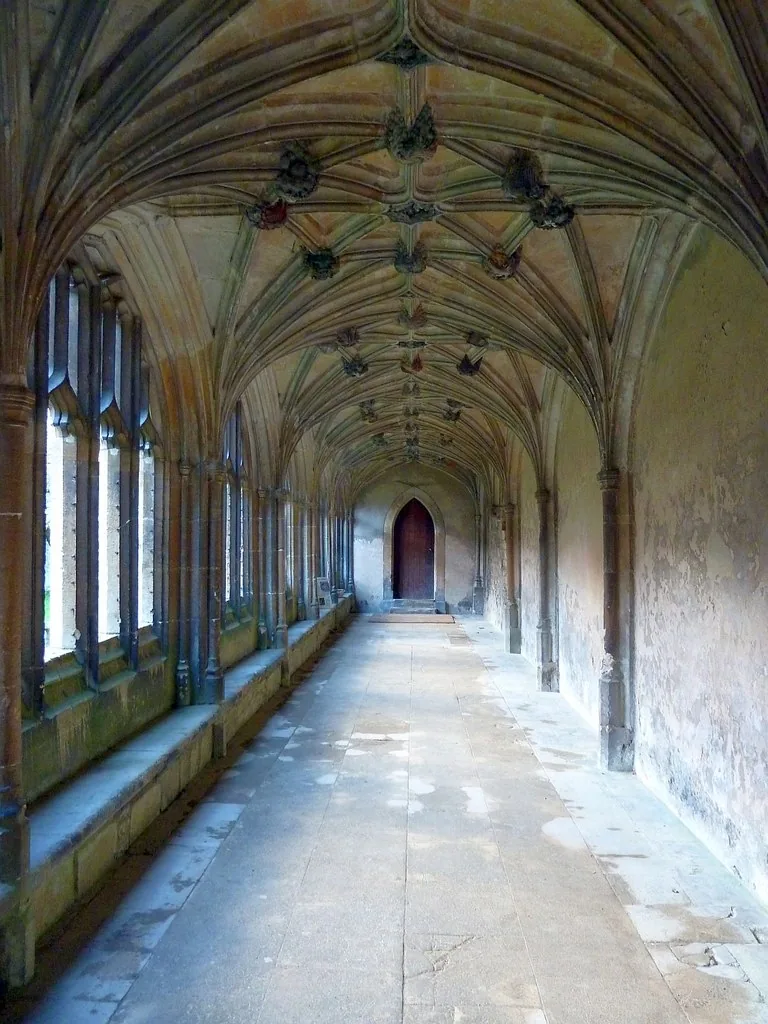
the exterior of the Seymour family’s Wolf Hall in 2015
See the location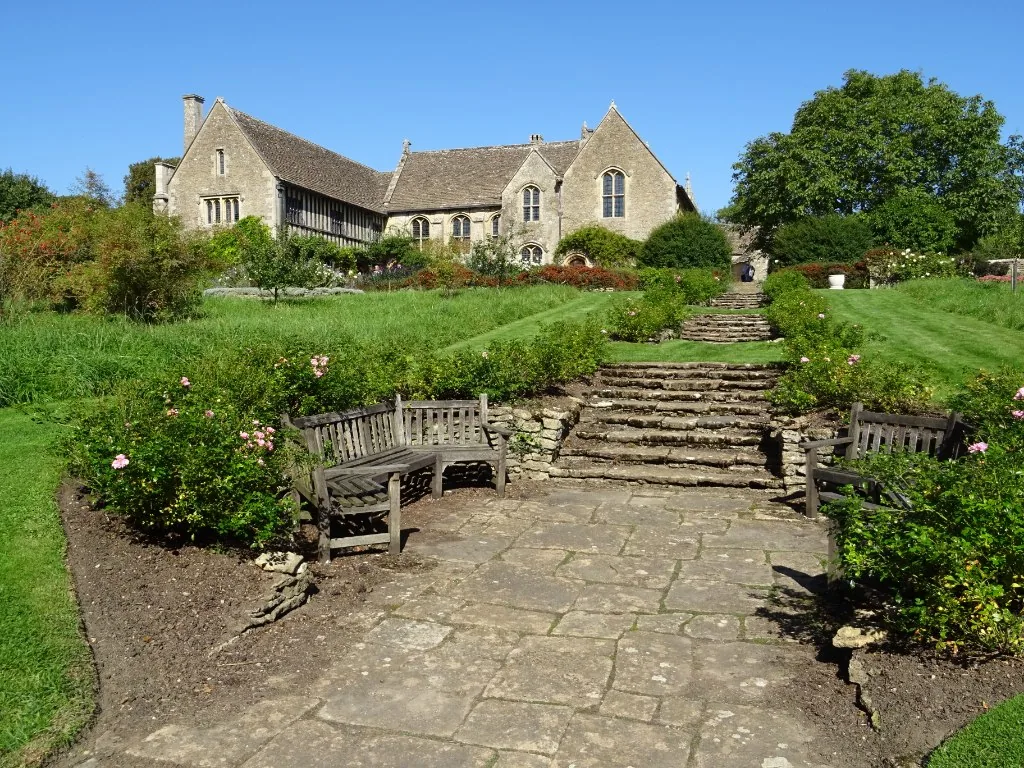
Austin Friars, Thomas Cromwell’s home, in both series
See the location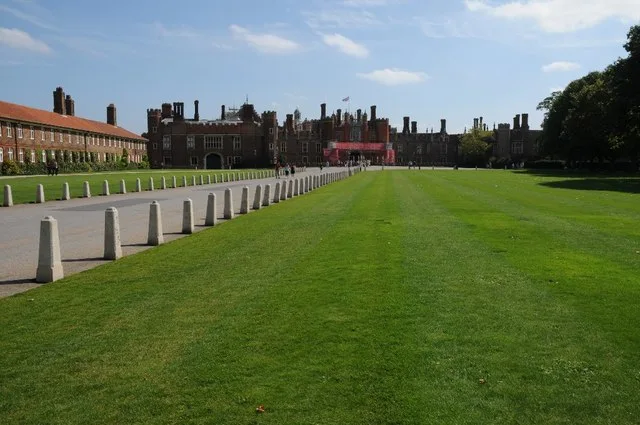
Henry VIII’s Great Hall in The Mirror and the Light (2024)
See the location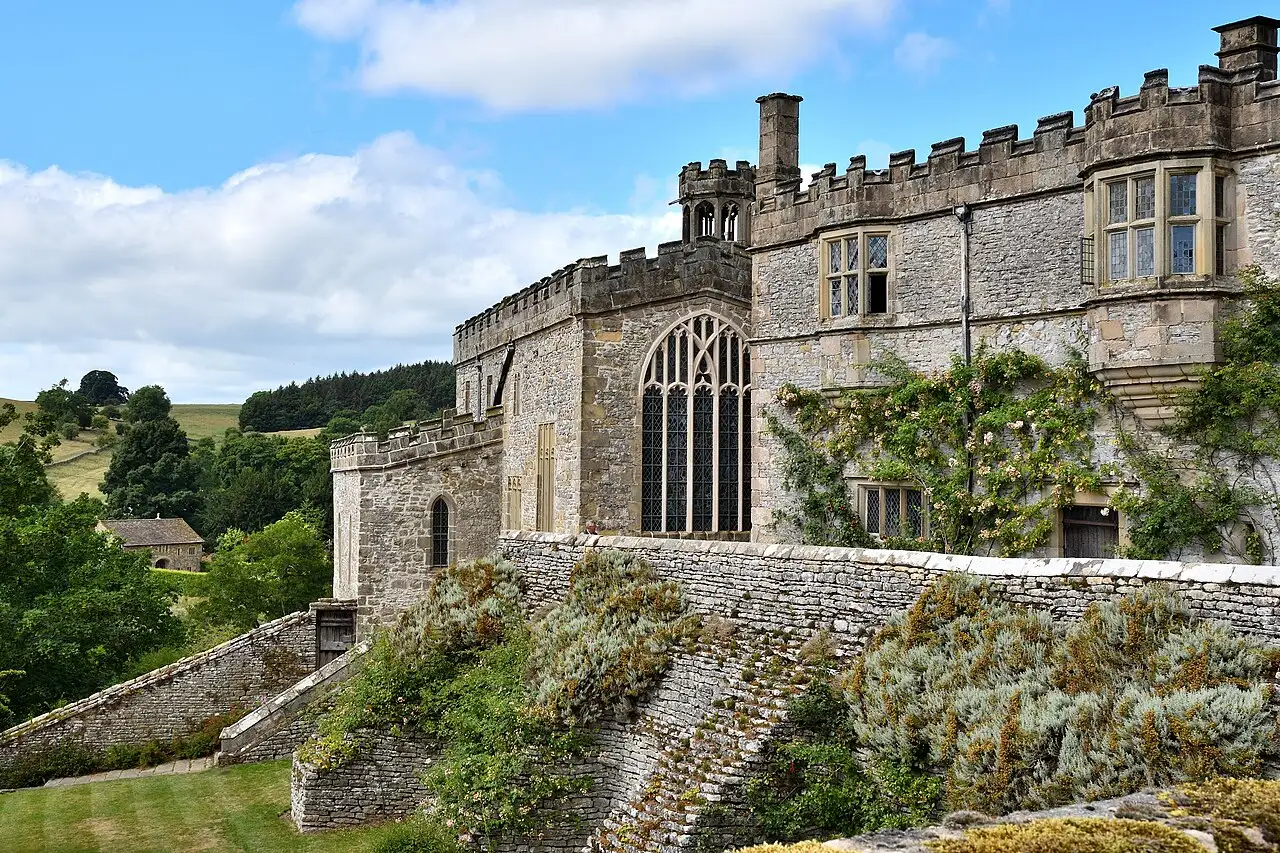
a masked ball and outdoor royal scenes in The Mirror and the Light
See the location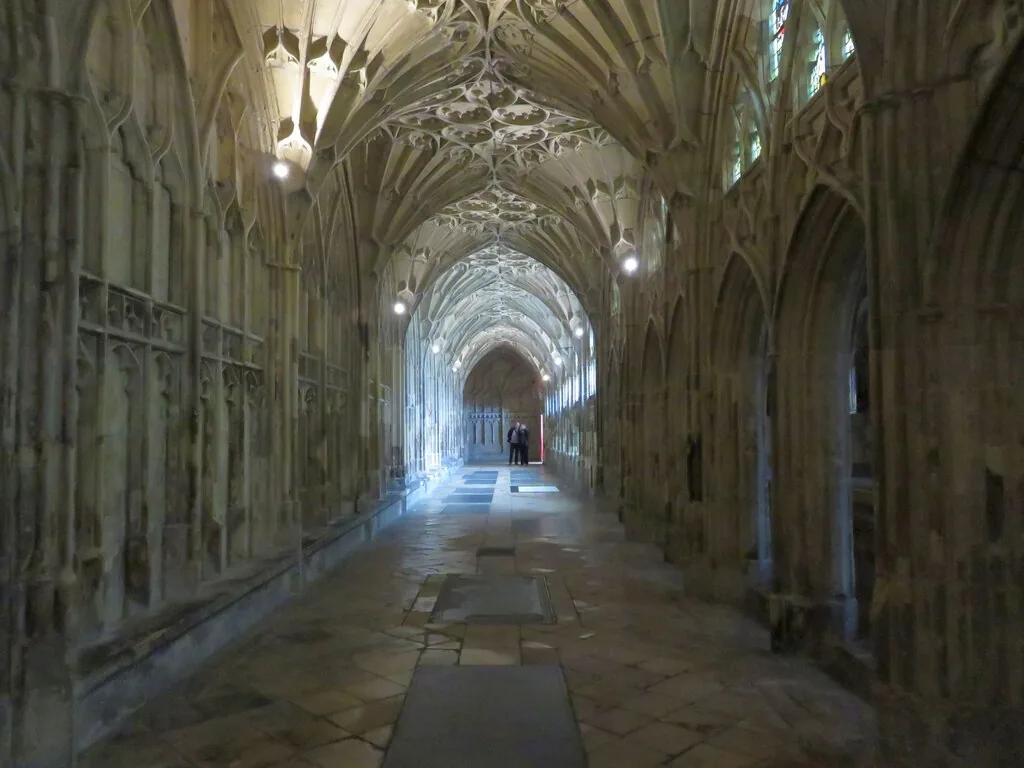
Blackfriars and Calais in 2015; Cromwell’s convent visit in 2024
See the locationFilter by area and access. Private homes, farms and working sites are kept off the visitor map.
Start with Montacute, move to Barrington’s gardens and finish in Wells if the opening hours allow. This is an ambitious driving day; the cathedral and palace are a more relaxed separate day.
Open the day outLacock, Great Chalfield, Berkeley and Gloucester trace different parts of the Tudor screen world. Spread all four over two days unless short visits and opening times align.
Open the day outUse one day for Penshurst and another for Hampton Court, with a night in London or west Kent if travelling between them. Each property warrants more than a photo stop.
Open the day outUse one base and check every dated or ticketed stop before travelling. Booking.com links are paid links: we may earn a small commission at no extra cost to you.
Montacute House · Barrington Court · Lacock Abbey · Great Chalfield Manor
Wolf Hall makes Tudor England out of several different real places. A character can leave a room in Somerset and enter a corridor filmed in another county, while the story remains in a London palace. Start with the fictional-place table, then choose a region to visit. It separates the name used in the drama from the building you can actually reach. This is especially useful for Greenwich and Whitehall, whose screen geography is distributed among houses and churches rather than concentrated at a single surviving site.
The first series follows Thomas Cromwell through the changing fortunes of Wolsey, Henry VIII and Anne Boleyn. Its houses have clear individual jobs: Barrington becomes Wolsey’s York Place, Montacute becomes Greenwich, and Chastleton supplies both an aristocratic interior and a very different childhood courtyard. Lacock’s exterior is the Seymours’ Wolf Hall, while Great Chalfield builds Cromwell’s domestic world at Austin Friars. Seeing two of these places slowly is usually more revealing than driving past six entrances and missing their rooms.
The Mirror and the Light returns to some of that geography and adds the Great Hall at Hampton Court. The palace is particularly rewarding because the filming building is also bound up with the Tudor court’s real history. It should still be approached as a palace visit, with time for its wider collection and gardens. Elsewhere the story continues to rely on doubles. Wells Cathedral, for example, supplies a royal wedding chapel, while the nearby Bishop’s Palace becomes more than one distinct courtly setting.
The strongest episode links come from the production’s locations feature. It identifies the Gloucester convent visit, the scenes at the Bishop’s Palace, Haddon’s ball and bowling, the Wells wedding and the chess scene at Montacute. Those links appear in both directions here. Broader venue credits remain at series level. The absence of an episode link is therefore a statement about the precision of the cited filming source, not a suggestion that a place is less important to the programme.
Access changes the shape of a good trip. Barrington’s gardens can be part of a Somerset day while Court House is closed for repair; Montacute’s upper floors are also outside the 2026 visitor route. Great Chalfield depends on tour times and seasonal opening. Cathedral visits fit around worship. Plan the indoor booking first, add nearby public spaces around it, and leave enough time for parking and walking in. A filming credit gives context to a visit, but it never overrides a venue’s own admission arrangements.
The routes below group the places by geography, not by the order of the screenplay. Somerset works well from Wells or Sherborne. Bath is useful for Wiltshire, Tetbury for the Gloucestershire houses, Tunbridge Wells for west Kent and Bakewell for Haddon. The Kent and London plan deliberately uses two days. A cross-country drive cannot reproduce the drama’s editing, and a generous allowance at a single house gives you a better chance to understand the scale, light and circulation that made it useful to the filmmakers.
These places add context but are not filming-location claims.
Lacock and Haddon connect with other screen journeys. Use the separate guide to distinguish the 1995 village scenes from the 2005 film’s Derbyshire interiors, with each production’s setting kept clear.
Visit the official siteUse the broadcaster’s programme page for viewing information. Streaming rights and availability vary by region.
The television story draws on Wolf Hall, Bring Up the Bodies and The Mirror and the Light, in that order. The novels follow Cromwell through a deliberately imagined inner life alongside the record of Henry VIII’s court. Read them as historical fiction, with a separate guidebook for practical details at the surviving buildings.
The Seymour family’s screen home uses Lacock Abbey outside and Chastleton inside in the 2015 series. The title does not describe one visitor attraction containing all the sets. Read more
Great Chalfield Manor in Wiltshire plays the home in both series. Horton Court contributes a study but is private and has no visitor pin. Read more
Yes. The National Trust identifies Montacute as Greenwich Palace across both productions; the 2024 chess scene is specifically tied to episode four by PBS. Read more
Court House is closed for repair. Plan for the gardens, estate and available Strode House ground floor rather than the rooms dressed as York Place. Read more
Yes, six from 2015 and six from 2024, with BBC titles and UK dates. Only episode-specific production evidence creates a location link. Read more
Choose a rail-led city day in Gloucester or Bristol, or Hampton Court from Waterloo. Rural houses need careful bus connections or taxis in both directions. Read more
No. Private properties and the working school are kept off the map and out of the routes. Public pins represent visitor places, not permission to enter every room. Read more
Give Wells its own day if you want both the cathedral and Bishop’s Palace, a meal and time outdoors. The attractions have separate admission arrangements. Read more
Guide references support the documented places and screen connections described here. Visitor planning sources cover travel, facilities or venue arrangements; their inclusion does not establish a filming claim or confirm that access is unchanged today.
Updated 18 October 2026.
This is a selected catalogue of documented places, not an exhaustive list of every camera position. A production-level filming credit does not prove which episode, room or viewpoint was used. Location pages separate filming sources from current visitor information.
8 episode or film entries have no title-specific location link. Their presence in the episode guide should not be treated as evidence for a particular stop.
A screen connection alone does not make a place worth a special journey. These examples use the catalogue’s existing access and visit-duration notes; they are not a popularity ranking.
Policy contents reviewed 18 October 2026. These are selected operator rules, not permission for every venue or room in this guide. Recheck the source and local instructions before using a camera.
Scope: The named Trust property’s admitted visitor areas; ask locally before indoor photography.
Private non-commercial photography is generally welcomed, but indoor permission depends on the property. Ask staff or volunteers; indoor flash and tripods are prohibited. Other purposes need advance agreement. This policy does not cover a privately operated house simply because it appears in the same guide.
Operator photography policy ↗No title-specific place is attached to these episode or film records in this catalogue. This is a research gap, not a claim that no real location was used.
These location records have no assigned episode or film link in the retained catalogue. Their programme-level connection does not prove a particular scene.
These particular room, episode or viewpoint limits are stated in the existing record. General visitor etiquette is not automatically classified as filming uncertainty.
Download the current catalogue’s known-gap register (JSON). It lists defined catalogue limits, not a complete filming census or an instruction to visit private places.
Horton Court is a private holiday property, St Donat’s is a working school and Cothay has no general visitor programme established for this guide. They have no pins, route stops or accommodation links here. At visitor houses that remain family homes, public admission applies only to the advertised circuit. Do not follow a screen character’s apparent path into a private wing, cross a garden rope, enter a service courtyard or photograph through a domestic window.
Location list reviewed 18 October 2026. Opening arrangements are separate: use each venue’s official information before travelling.
How we check filming evidence · Suggest a sourced correction to this guide