The Lantern Ledger
Continue your reading beyond this location guide with The Lantern Ledger. Treat an outside site as a separate publication, and use the location owners’ own pages for admission, access and travel decisions.
Visit the official siteHarry Potter’s screen world joins real castles, cathedral cloisters, London streets, heritage railways and Highland landscapes with studios and effects. Start with the kind of visit you want, then choose a regional cluster: a London walk, an architectural day, a railway journey or a landscape trip. Hogwarts itself is a composite, so finding one familiar archway never means finding the entire school behind it.
The eight original Harry Potter films, released from 2001 to 2011. The HBO adaptation is discussed separately.
A composite of real architecture, studio sets, models and landscape; no single building contains the complete school.
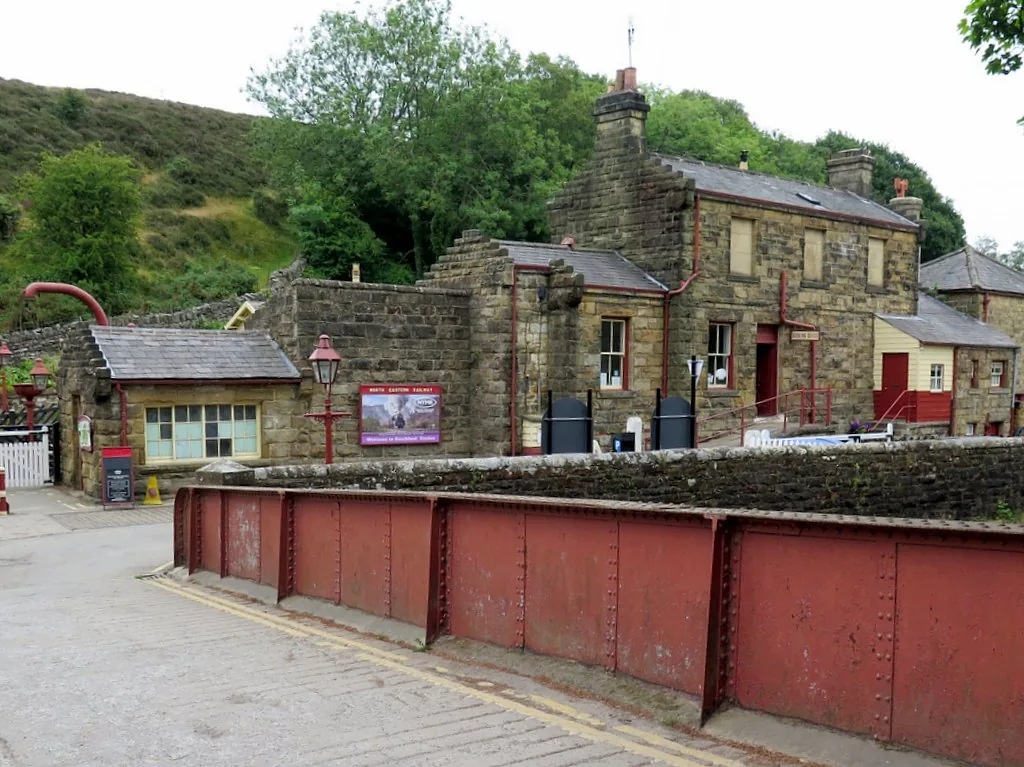
Goathland on the North Yorkshire Moors Railway supplies the first film’s station setting.
The Studio Tour displays the film set. Christ Church’s real hall influenced its design.
The specific castle, library tour, railway journey or Studio Tour admission that anchors your chosen regional day.

Start here, then browse the full list by area.

Flying lessons and early Hogwarts courtyards
See the location
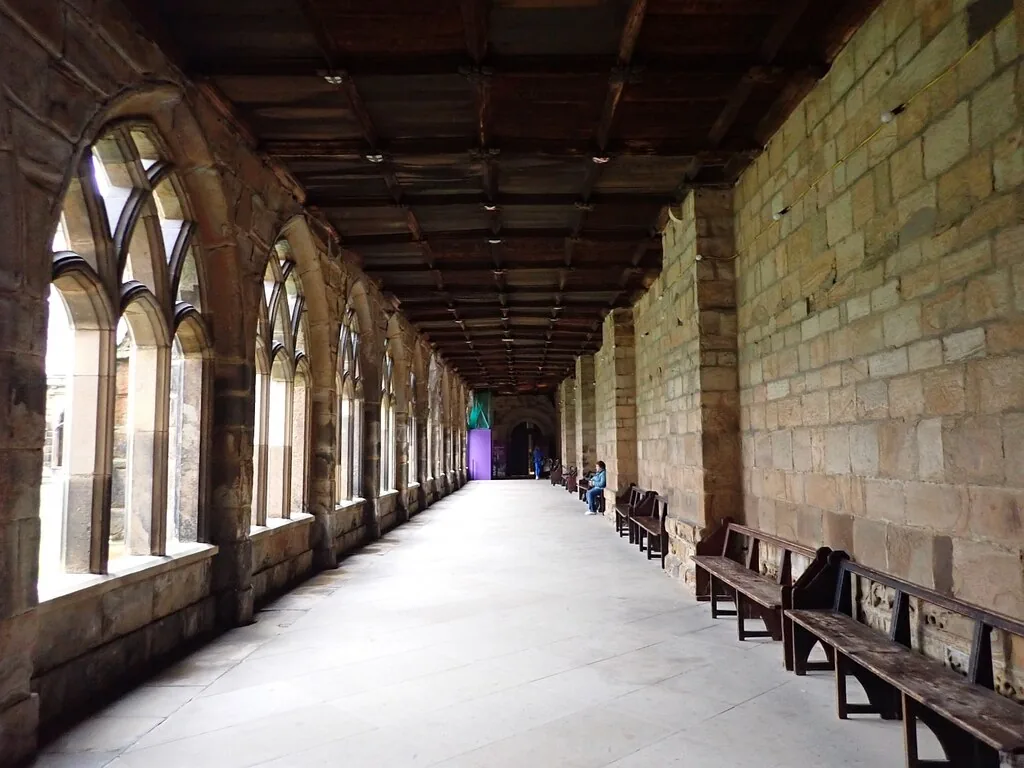
Hogwarts cloisters and McGonagall’s classroom
See the location
Hogsmeade Station
See the location
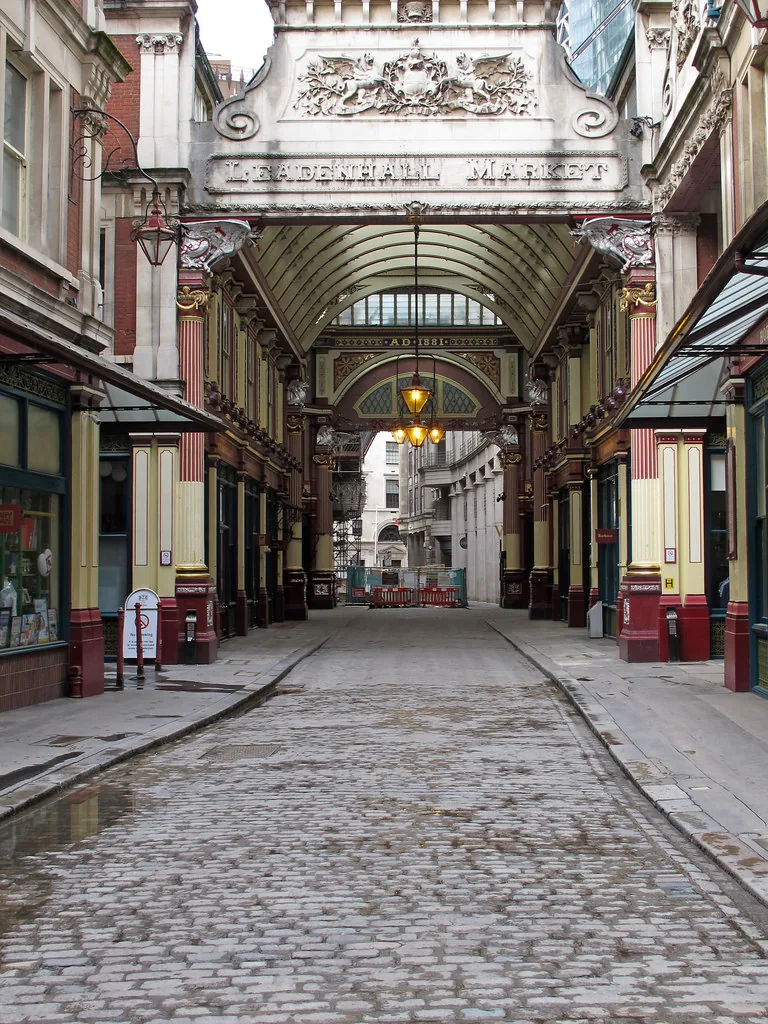
Diagon Alley and the Leaky Cauldron approach
See the location
Hogwarts library and hospital wing
See the location
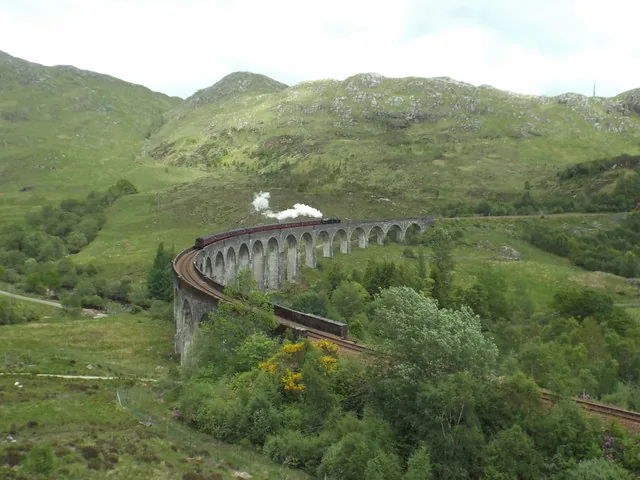
The railway journey to Hogwarts
See the locationFilter by area and access. Private homes, farms and working sites are kept off the visitor map.
Begin with King’s Cross and St Pancras, continue to Leadenhall’s arcade, then walk towards the Millennium Bridge. Give the Studio Tour a separately reserved part of the trip: it explains sets and production craft rather than extending a city-street filming walk.
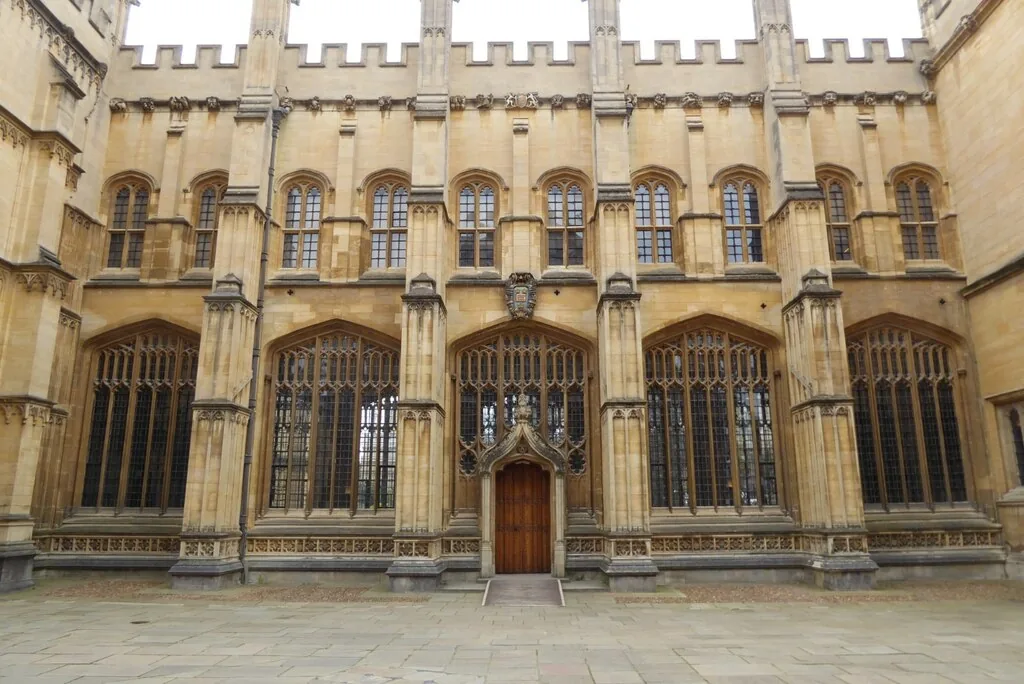
Open the day outChrist Church's Hall Staircase, the Bodleian's Divinity School and Duke Humfrey's Library, and New College's cloisters, all on foot in central Oxford.
Open the day outUse Lacock Abbey’s cloisters and rooms for the first architectural chapter, then continue to Gloucester Cathedral for another version of Hogwarts corridors. Both places have real histories and visitor purposes that deserve more than a race between remembered angles.
Open the day outUse one base and check every dated or ticketed stop before travelling. Booking.com links are paid links: we may earn a small commission at no extra cost to you.
London · Oxford · Lacock or Gloucester · Alnwick, Durham or the North York Moors
Alnwick Castle · Durham Cathedral · Bodleian Libraries · Christ Church
The eight films begin with Harry learning that he is a wizard and grow from school adventures into a wider struggle involving his friends and the returning Voldemort. Their changing geography reflects that journey. Early castle courtyards, cloisters and classrooms establish the school, while later streets, woods and exposed landscapes make the world feel less sheltered. A useful location journey follows those differences instead of treating every recognisable place as another version of the same attraction. The films’ editing makes distant buildings feel connected; a real visitor needs to give each region its own time.
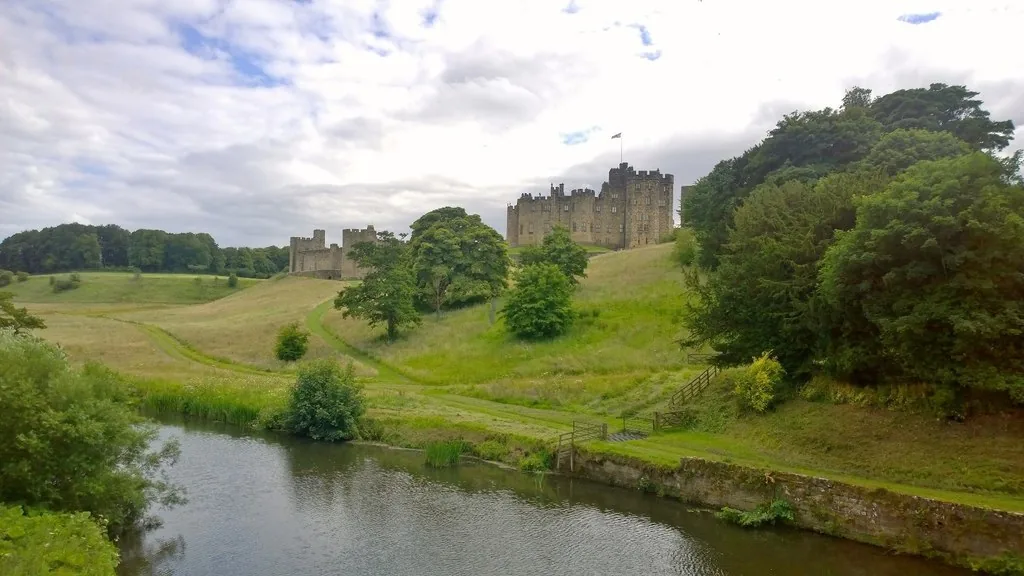
Hogwarts is the clearest example. Alnwick contributes early outdoor spaces, Durham and Gloucester supply cloister architecture, and Oxford and Lacock add selected interiors. Leavesden’s sets, model work and effects complete what the real places cannot physically join. The Great Hall demonstrates two kinds of connection particularly well: Christ Church’s hall influenced the design, while the actual dining-hall set belongs to the studio story. A working college is not a campus to explore freely for film details. The Bodleian’s specifically defined public tours provide a separate way to appreciate library and infirmary architecture within an active university institution.
London works on a smaller scale. King’s Cross provides real station architecture, St Pancras adds a separate exterior, and the modern trolley point offers a visitor photograph rather than the original filmed barrier. Leadenhall’s arcade and optician-shop doorway become an approach to the magical shopping world; a different Leaky Cauldron approach appears around Borough Market in a later film. Selected façades and effects can connect places that do not connect in ordinary city life. Look at public streets and spaces, keeping businesses, transport barriers and diplomatic interiors outside any assumed right of entry.
The landscapes deserve a different pace. Malham’s limestone pavement is above the cove and requires a real walk, while Glenfinnan’s viewpoints look towards a working railway rather than allowing visitors onto the viaduct. Freshwater West retains the beach but not the temporary Shell Cottage set. These places are rewarding without reconstructing a scene or leaving objects behind. Choose routes for the weather, terrain and abilities of the group, and let a safe lower viewpoint be an acceptable outcome. A film image compresses effort and exposure that a visitor must experience in full.
The Studio Tour is a distinct exhibition experience, displaying sets, props and production work from the films. Its value lies in understanding construction and screen illusion, not in pretending the visitor attraction itself appeared as a location in the story. The HBO television adaptation is also separate from this film journey. Warner Bros. Discovery announced a Christmas 2026 debut for its first season; that announced timing is not an exact broadcast-day promise. New adaptation locations do not inherit the original films’ scene identities, and this guide keeps the eight completed films as its central scope.
An independent, unofficial fan guide. Harry Potter characters and elements © & ™ Warner Bros. Entertainment Inc.; publishing rights © J. K. Rowling. This site is not affiliated with, sponsored by or endorsed by Warner Bros., HBO or the location owners.
These places add context but are not filming-location claims.
Continue your reading beyond this location guide with The Lantern Ledger. Treat an outside site as a separate publication, and use the location owners’ own pages for admission, access and travel decisions.
Visit the official siteExplore Magical London Planner as another starting point for a London-focused trip. Bring any proposed itinerary back to current attraction and transport information, especially when joining a market walk to a timed tour or working station visit.
Visit the official siteWatch the eight original films in release order, from Philosopher’s Stone to the two-part Deathly Hallows finale. The official franchise streaming guide is the best starting point for territory-specific viewing options, since catalogues and digital purchase availability change. Keep the HBO adaptation separate when comparing scenes with the location pages.
Official guide to watching Harry Potter · Official film collection
Read the seven novels in publication order to follow the source story alongside the films. Deathly Hallows becomes two films, so the book and film counts differ. The links below lead to the official book catalogue, where readers can explore the titles and editions without assuming every illustrated or audio programme is the same.
Harry Potter and the Philosopher’s Stone · Harry Potter and the Chamber of Secrets · Harry Potter and the Prisoner of Azkaban · Harry Potter and the Goblet of Fire · Harry Potter and the Order of the Phoenix · Harry Potter and the Half-Blood Prince · Harry Potter and the Deathly Hallows
Choose a region before choosing a long list of scenes. London offers public streets and transport connections, while Alnwick gives a substantial castle day and Glenfinnan suits a Highland stay. Use the visiting guide to choose an anchor experience, then add nearby stops that genuinely fit. Read more
No single castle contains the screen school. Real courtyards, cloisters and interiors combine with sets, models and effects. Alnwick is a strong early-film outdoor location, while Durham offers particular school spaces. The locations list explains each building’s contribution so you can choose the architecture you want to see. Read more
No. The viaduct carries an active railway and is closed to walkers. Use the signed public viewpoints away from the tracks, allowing for steep or rough paths. A train journey is a separate booked experience; seeing a train from the hillside does not create permission to enter railway property. Read more
The concourse trolley point is a later visitor installation. The early films use real station-platform architecture, and St Pancras supplies a separate exterior. Enjoy the designated photograph experience while keeping working platforms and ticket barriers for legitimate passenger use. Read more
The optician-shop doorway in Bull’s Head Passage represents an exterior entrance. It does not contain a public film-pub interior. Enjoy the architecture from the arcade, leave business doors clear and choose an actual café or restaurant for refreshments rather than expecting a preserved set behind the door. Read more
Different visitor products cover different rooms. Divinity School admission does not automatically include Duke Humfrey’s Library, which requires an appropriate guided tour. Read the current tour description, age conditions and access details before booking, and remain within the defined visitor route throughout the library experience. Read more
No. The cottage was a temporary set and has been removed from Freshwater West. The beach and dunes remain a real coastal habitat. Use signed access, account for weather and tides, and leave no memorial objects or other material behind after enjoying the landscape. Read more
The main location journey follows the eight original films. Warner Bros. Discovery announced a Christmas 2026 debut for the separate HBO series. That announcement does not establish exact episode dates or transfer an original film’s scene to a new production location. Use the film list for the completed cinema story. Read more
Updated 17 October 2026.