The real places behind Derry Girls
Derry Girls follows teenage friendships and family life against the changing circumstances of 1990s Northern Ireland. A visit can explore the real city while recognising that television geography is assembled: a street outside and a room inside do not have to be close together. That distinction is especially useful for the church storyline, which joins a Derry exterior with a Belfast interior. Use the individual place records to decide what you are travelling to see, rather than following a character’s edited journey as though it were a continuous walking route.
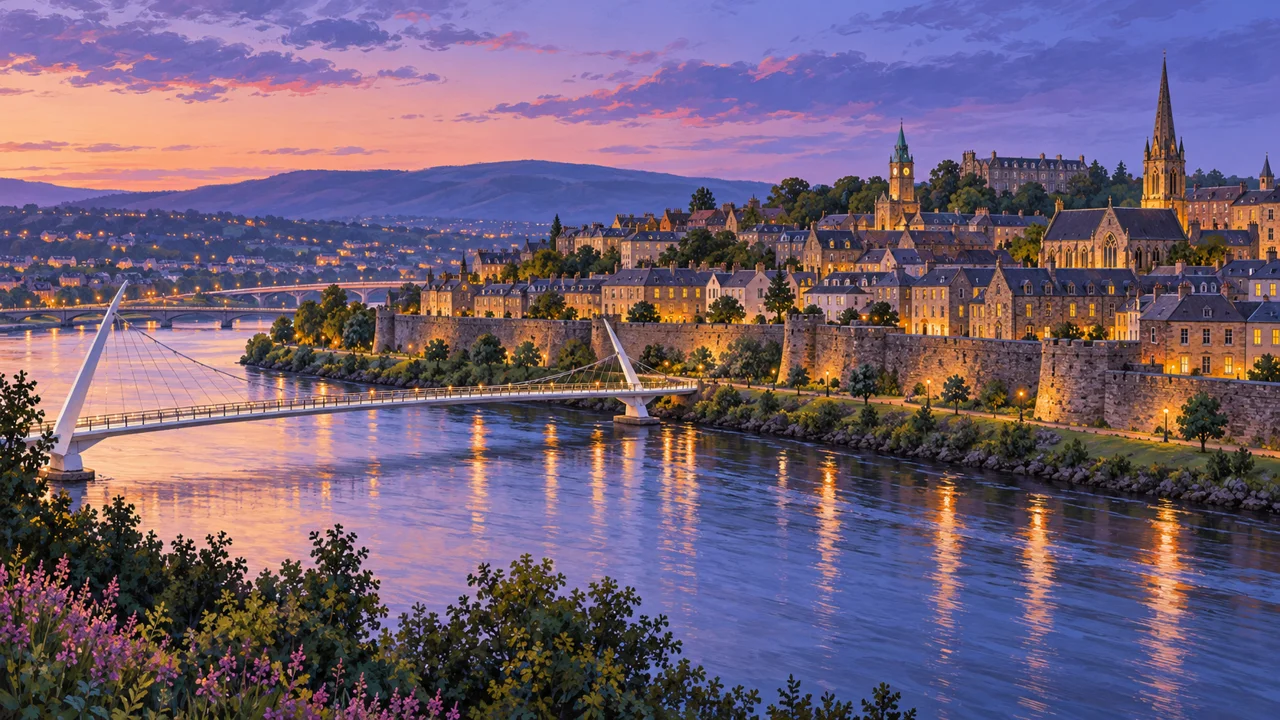
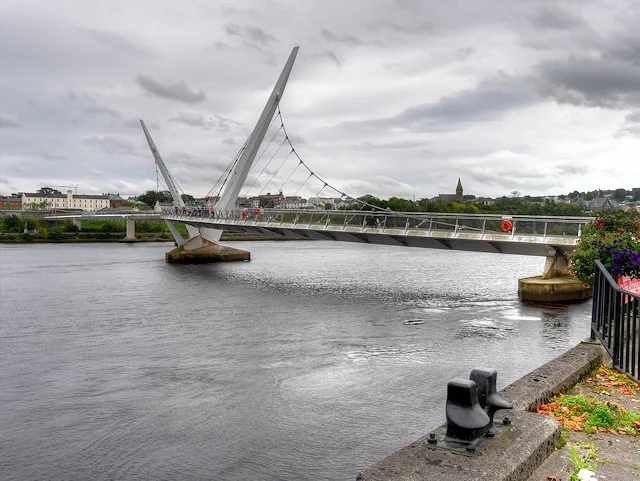
The guide uses Derry~Londonderry in its visitor descriptions, following the tourism board’s usage. The central walks connect the old walled city, the Bogside and the riverfront, with a modern crossing to the Waterside where rail passengers arrive. These areas differ in gradient and atmosphere. The riverbank and square can feel quite close on a map while the route into the old centre adds a climb. Choose the length and surface of a walk around the people travelling with you, leaving time for breaks and ordinary city life.
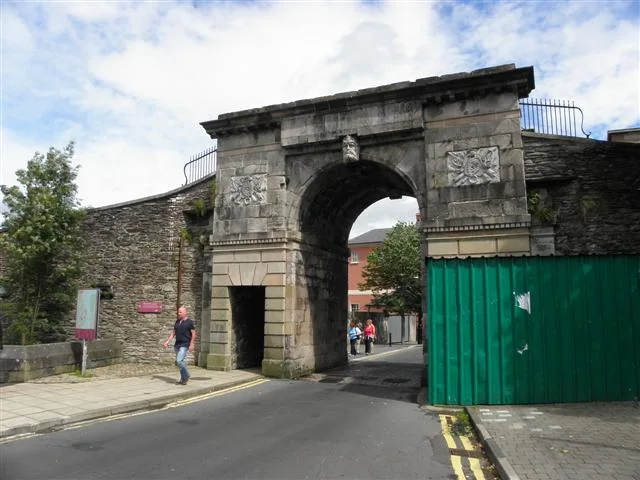
The walls are a useful starting point because they give an overview before you explore particular streets. Their documented screen connection includes Erin introducing the city to Katya, while Bishop’s Gate contributes to the Toto chase. Neither location needs a replica prop or a recreated checkpoint to be worth visiting. Appreciate the real architecture and public spaces as they are today. A shorter accessible wall section can be enough if the complete circuit involves too many steps, and a ground-level street route offers another way to connect the same central stops.
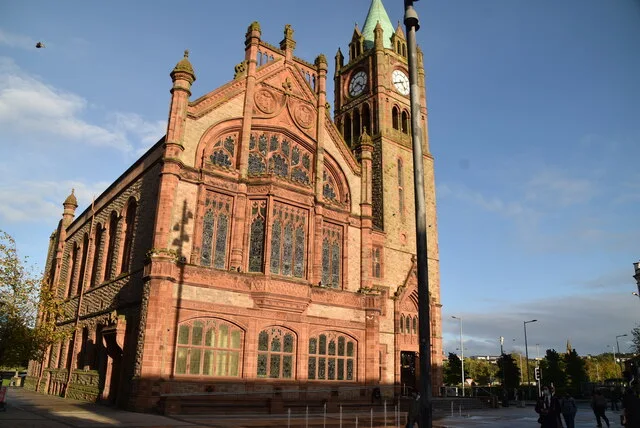
Guildhall Square provides one of the programme’s most recognisable civic settings, including the Clinton visit at the close of the second series. The Guildhall also has a separately credited electoral-card scene involving Orla. The square and building therefore need slightly different planning: an outdoor view can fit almost any central walk, while an interior visit depends on public opening and civic events. Combine the stop with the Tower Museum only after allowing for the museum’s own admission arrangements, rather than assuming both buildings form a single exhibition or ticket.
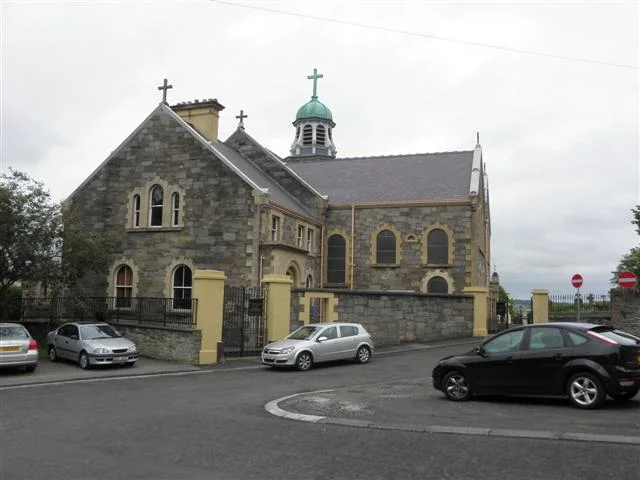
The Bogside stops ask for attention to more than screen recognition. Free Derry Corner has its own historical meaning, and Long Tower is a working church rather than a set waiting for visitors to arrive. Give worship, remembrance and local movement room. A quiet exterior photograph and a considered walk can be more appropriate than trying to reproduce a moment from a comedy. Anyone wanting fuller historical context can choose a relevant local tour, keeping that experience distinct from a list of places identified for television filming.
The Derry Girls mural and the museum experience are included because they offer direct ways to engage with the programme, but their role is clearly labelled. The mural is commissioned public artwork celebrating the characters. The Tower Museum presents production-related objects and set material for visitors. Neither connection should be rewritten as a claim that the attraction appeared in the story. This separation is useful when choosing a day: some fans want the actual city scenery, others want costumes and memorabilia, and many will enjoy making time for both.
Belfast deserves its own add-on rather than being squeezed between Derry city stops. Smithfield Market supplies the prom-shopping location, while St George’s Parish Church supplies a particular church interior. John Long’s is the named Belfast fish restaurant associated with the screen chippy. These are working places with their own customer or visitor hours. Plan the rail or Goldline journey first, then choose a manageable city route. Do not assume that the all-girls school used by the story is open to a visiting fan: the real education sites remain outside the public itinerary.
Private homes and residential streets are kept out of the visitor circuit. Official tourism pages sometimes describe the streets used for neighbourhood scenes, but people continue to live and work there. This guide supplies no house numbers, doorstep directions, photographic targets or map pins for those places. It also does not turn a demolished business into a current attraction: Visit Derry records the loss of Dennis’s Wee Shop in 2021. Public landmarks, current businesses and an exhibition already provide a full trip without a search through residential windows or former plots.
The episode reference covers all nineteen Channel 4 instalments, including the extended final episode, The Agreement. Dates come from the broadcaster’s first-shown information, with short original premises to help you remember the starting point of each story. Place links are deliberately limited to evidence that identifies a particular episode. A reference to a whole series remains at series level instead of becoming six or seven assumed scene matches. That allows the episode guide to be useful while keeping the filming claims as precise as the available sources allow.
For a longer Northern Ireland stay, use Belfast or the north coast as a separate base and choose additional days by their actual transport connections. The Game of Thrones guide offers another screen journey through Northern Ireland, with a different set of locations and visitor arrangements. Portrush and Limavady can support a wider regional break without becoming substitutes for the central Derry walk. Give the cities and coast time for their present-day food, heritage and landscape as well as the television association, and avoid building an itinerary that depends on rushing between private or restricted places.