Finding Midsomer in real towns
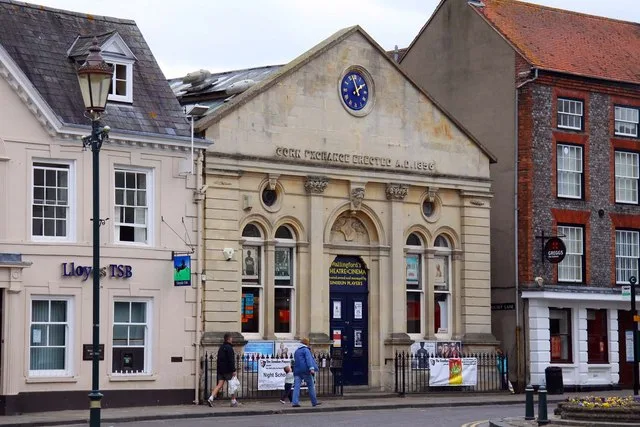
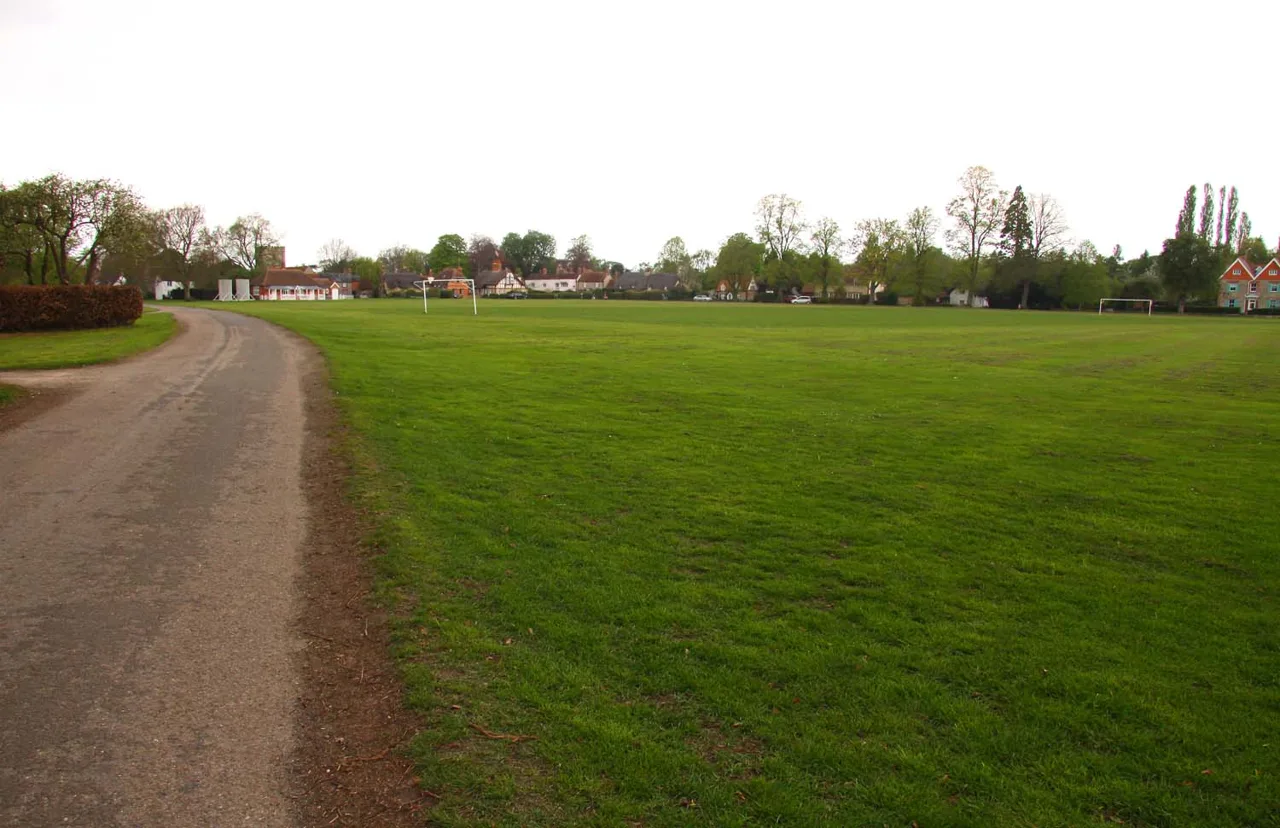
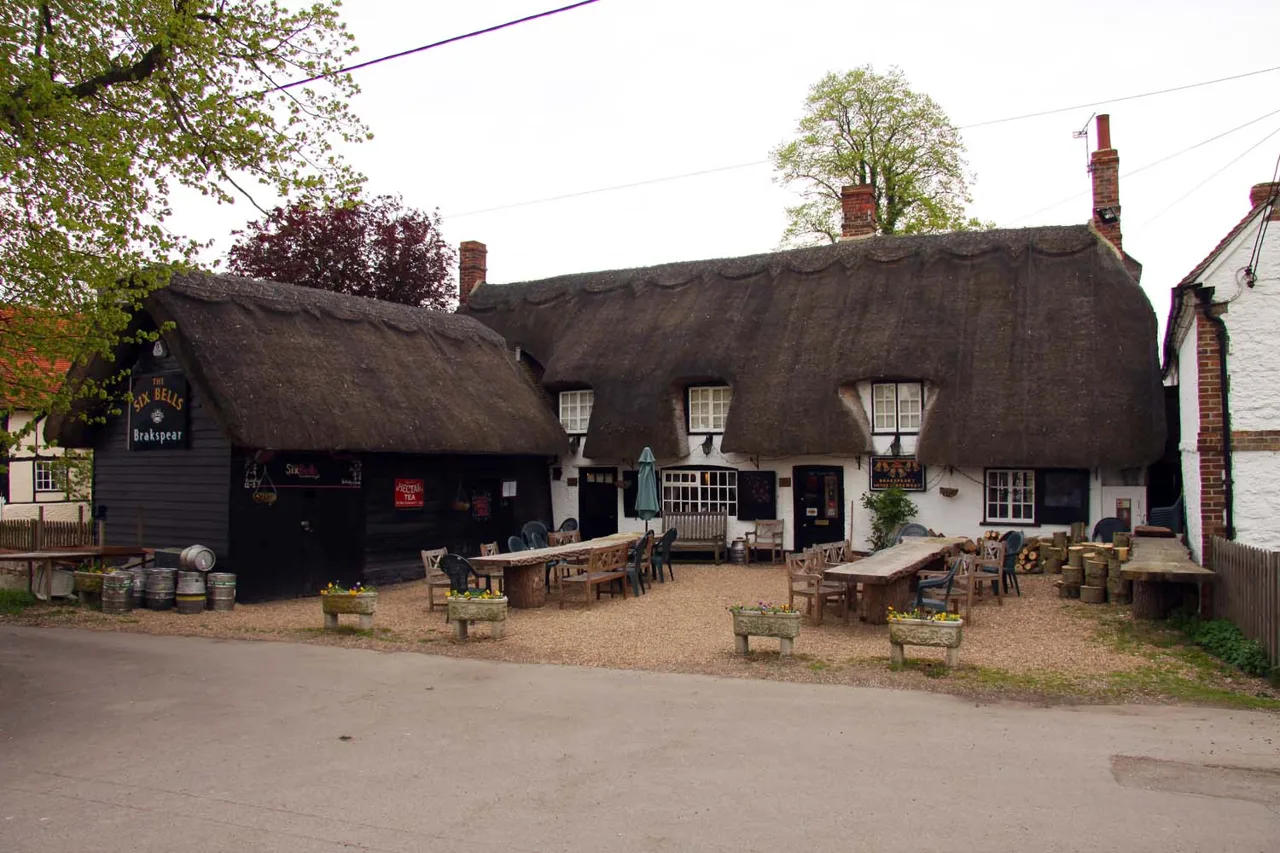
Midsomer is a fictional county assembled from real towns, villages and individual buildings. Wallingford’s visitor authority identifies the town as the original Causton and points viewers towards its Market Place and bridge. That makes a town-centre walk a useful starting point: you can understand the relationship between streets and civic buildings without needing access to a private estate. A scene may combine those public views with an interior filmed elsewhere, so recognise the town’s contribution without expecting the whole fictional workplace behind a single door.
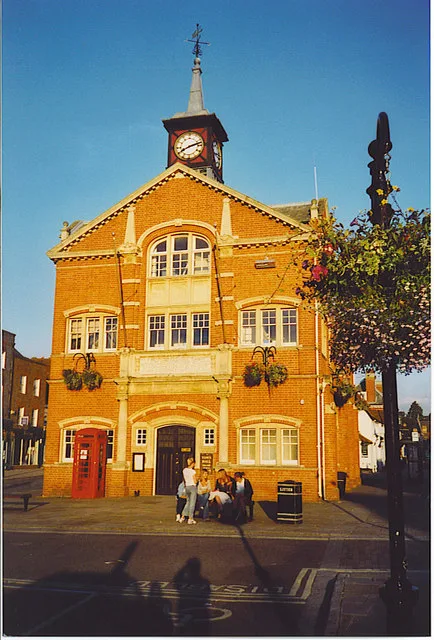
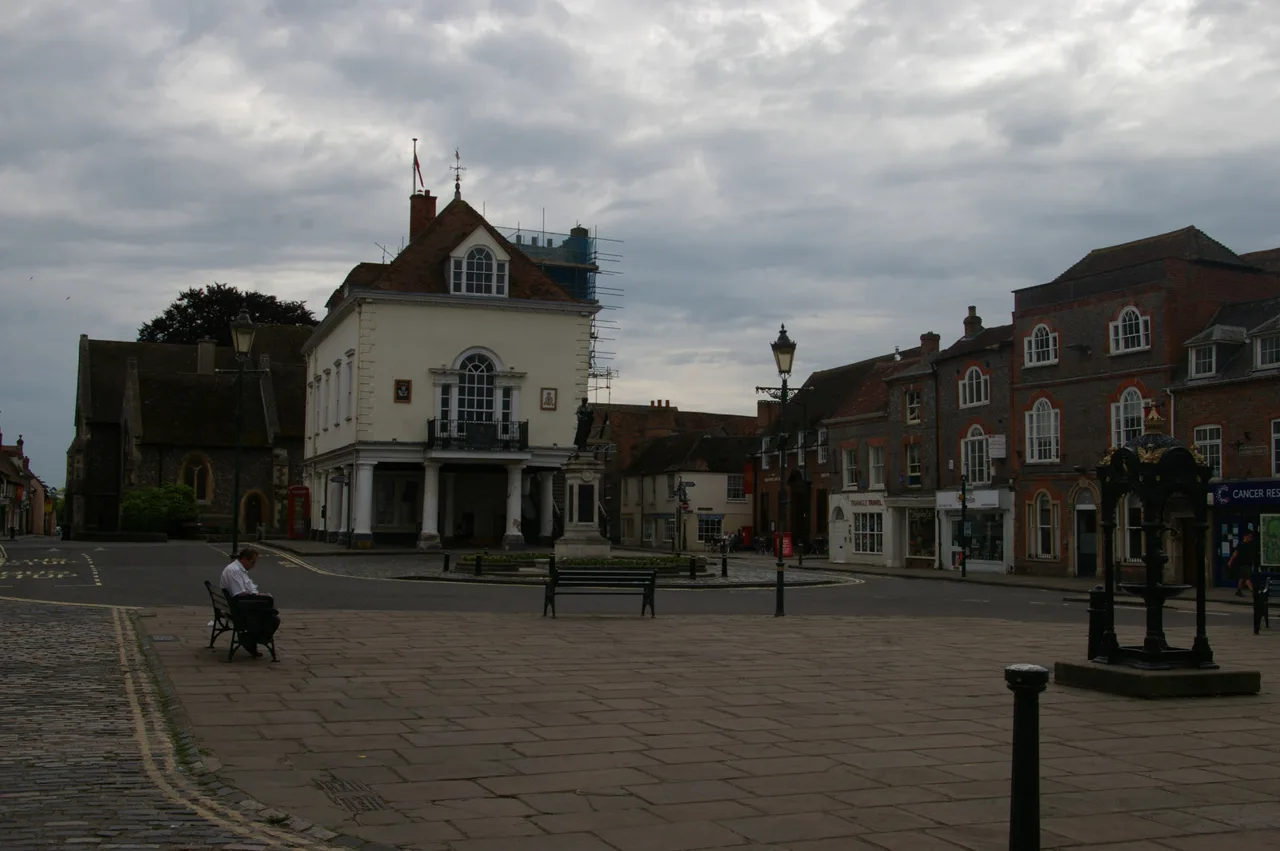
Thame offers another established centre for a walking visit, supported by its town council’s Midsomer material. Choose one town first, then look at the surrounding location pages for a possible extension. The two centres are alternatives for an unhurried first day, rather than compulsory stops on one rushed circuit. Their own shops, museums, performance spaces and cafés also give travelling companions something to enjoy beyond matching television stills. Decide which of those ordinary visitor experiences matters to your party before adding another drive.
A public village setting and a ticketed historic house call for different plans. Streets can be explored from lawful public space, subject to everyday use; house interiors and grounds depend on the venue’s arrangements. Churches, businesses and community halls may welcome visitors for their own purposes without offering a filming-location tour. The archive’s access notes help you distinguish these cases. An episode credit establishes a production connection, but does not give permission to enter a yard, attend a closed event or photograph through a residential window.
The council-supported Wallingford trails are particularly useful for understanding the wider countryside. They distinguish walking material from longer driving routes, an important difference when judging what fits into a day. Time spent driving is only one part of the visit: add time for finding lawful parking, walking between stops, food and any museum or attraction you intend to enter. It is often better to choose a short section of a published route and explore it properly than to treat every named village as a required checkpoint.
Use the episode archive to narrow a particular scene, the map to understand the geography and the visiting guide to choose the day’s practical shape. Not every location in a long-running production can be tied to a precise episode with the same confidence. Where that connection remains incomplete, the guide keeps the uncertainty visible. You can still enjoy a documented filming town while understanding exactly which part of its screen history is supported.
Visitor information: thametowncouncil.gov.uk · visitwallingford.uk · cornexchange.org.uk
Evidence and responsible visiting
This is a selected catalogue of documented places, not an exhaustive list of every camera position. A production-level filming credit does not prove which episode, room or viewpoint was used. Location pages separate filming sources from current visitor information.
When to leave a stop out
A screen connection alone does not make a place worth a special journey. These examples use the catalogue’s existing access and visit-duration notes; they are not a popularity ranking.
- Long Crendon: Skip it as a destination unless the owner or operator advertises legitimate public access; the production credit is not permission to approach.
- Wallingford Corn Exchange: Skip it if reaching the location requires a special journey; it works best as a short addition to an existing route.
- Thame Town Hall: Skip it if you need a guaranteed set-piece or a self-contained attraction; the value may depend on the wider route and the place itself.
Take photographs without intruding
- Choose a permitted public viewpoint or an admitted visitor area. A screen credit does not give permission to enter a home, school, working site or closed room.
- Keep paths, roads, doors and business entrances clear. Do not step into traffic, railway land or unstable ground to reproduce a camera angle.
- Give residents, pupils, worshippers and staff privacy. Avoid making identifiable people the subject of a comparison photograph without their agreement.
- Ask before photographing interiors and follow the venue’s current signs and staff instructions. Check flash, tripod and filming rules separately; an ordinary entry ticket is not a commercial photography permit.
- Check the relevant permissions before using a drone or organising a shoot. If the safe permitted view does not match the screen, keep the visit rather than forcing the photograph.
Check these operator rules
Policy contents reviewed 18 October 2026. These are selected operator rules, not permission for every venue or room in this guide. Recheck the source and local instructions before using a camera.
National Trust properties
Scope: The named Trust property’s admitted visitor areas; ask locally before indoor photography.
Private non-commercial photography is generally welcomed, but indoor permission depends on the property. Ask staff or volunteers; indoor flash and tripods are prohibited. Other purposes need advance agreement. This policy does not cover a privately operated house simply because it appears in the same guide.
Operator photography policy ↗Download the current catalogue’s known-gap register (JSON). It lists defined catalogue limits, not a complete filming census or an instruction to visit private places.
Read the access notes for each place. Private homes and working sites are context, not invitations to enter. Keep doors, roads and paths clear; give worship, residents and ordinary business priority over comparison photographs.
Location list reviewed 18 October 2026. Opening arrangements are separate: use each venue’s official information before travelling.
How we check filming evidence · Suggest a sourced correction to this guide