The real places behind Happy Valley
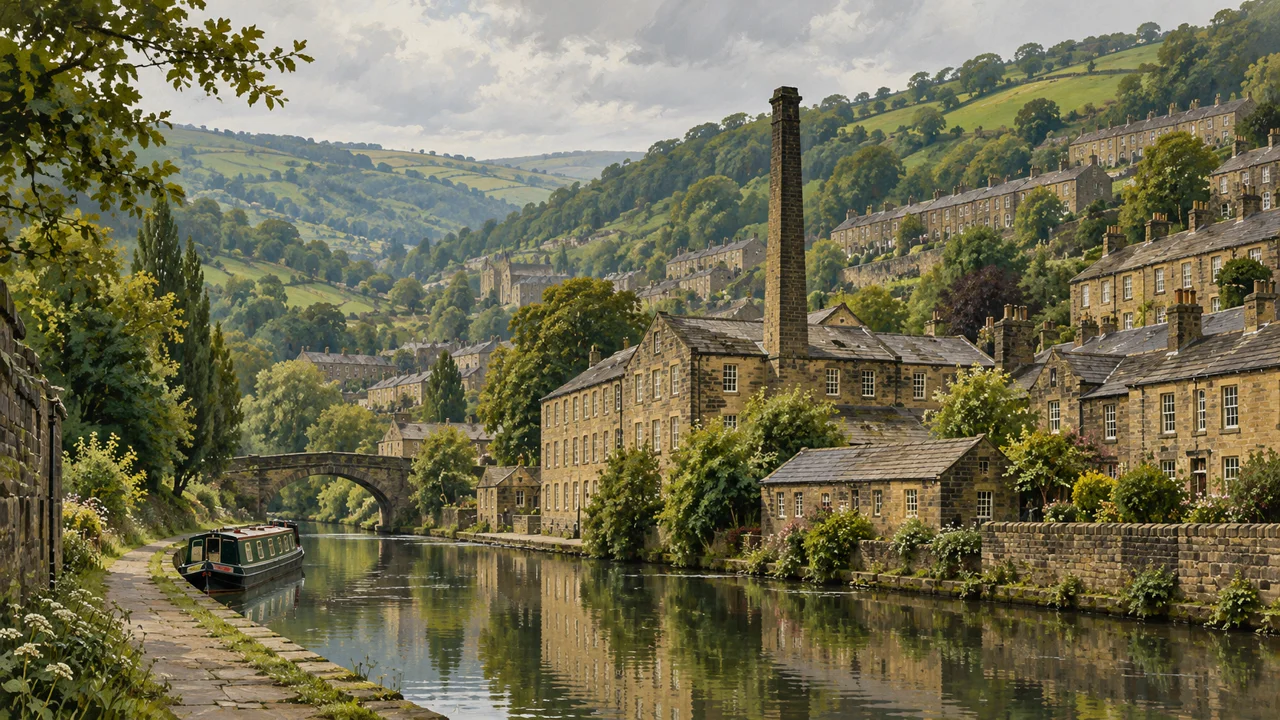
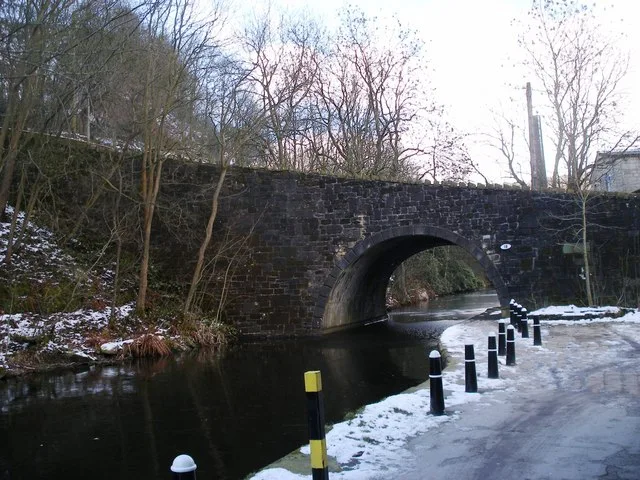
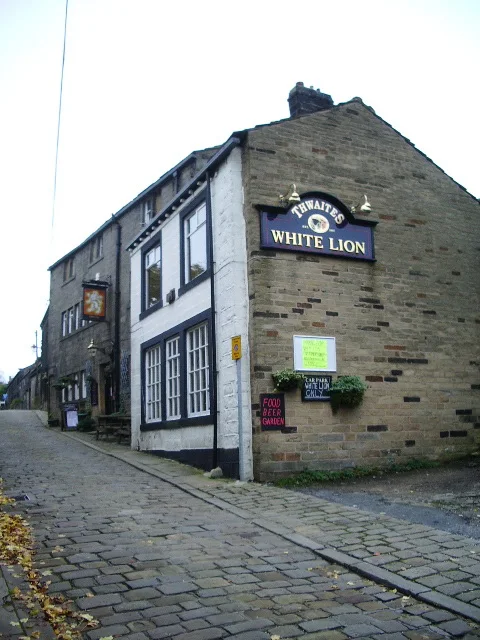
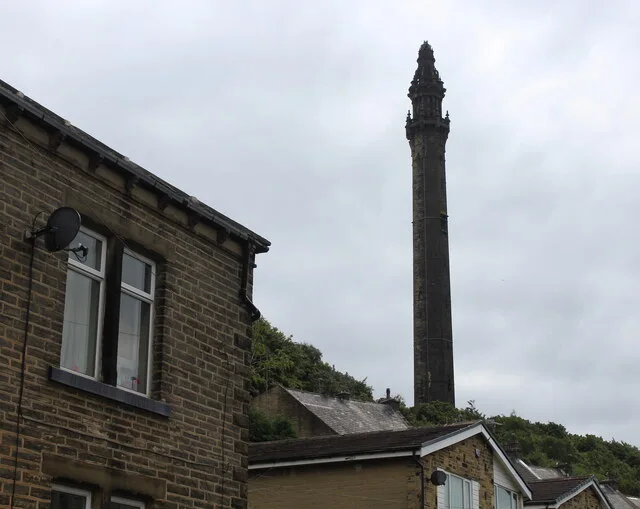
Happy Valley’s screen world draws on the shape of Calderdale: steep hillsides, close-built streets, former industrial spaces and settlements following the valley floor. The landscape is not simply an interchangeable background. Roads, rivers and changes of level help create the distance between a busy town centre and somewhere that feels much more secluded. On a visit, those distances remain real. A place a few centimetres away on a map can sit above a long climb, so start with a route that matches your group’s walking ability.
The guide covers the three BBC series released in 2014, 2016 and 2023. Its location list uses named filming sources, with the screen role stated separately from the real visitor place. A tourism itinerary can help you organise a holiday without proving that every attraction on it appeared in the programme. That distinction matters particularly around Halifax and the wider Yorkshire region, where buildings connected with other Sally Wainwright dramas can be useful additions to a trip but need their own screen credits.
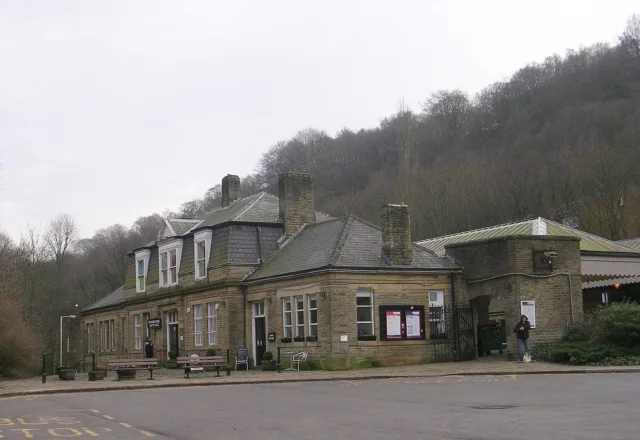
For a first day, use Hebden Bridge as the rail arrival and walk the public town centre before deciding whether to climb towards Heptonstall. The valley town and the village above it offer different perspectives on the same terrain. Allow time for a café stop and for the return to the station, especially if wet weather slows the pavements and paths. A walk should follow public rights of way and normal visitor entrances, not the apparent route taken by a character between edited shots.
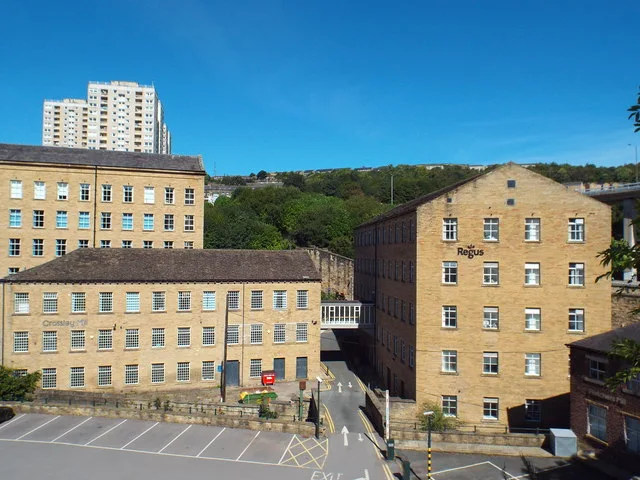
Halifax and Sowerby Bridge make another useful pairing because both have railway stations and their own town-centre interest. Build the day around the locations that are actually confirmed for the programme, with other museums, shops and heritage buildings treated as optional holiday stops. If a venue is operating an event, its ticketing and access take priority over the filming connection. You can appreciate a façade from public space without expecting to enter every room or yard used during a private production hire.
Private homes are outside this guide’s visitor circuit. Catherine’s house and other residential frontages belong to people’s everyday lives. The map therefore uses public places, and the routes do not give a doorstep itinerary. Leave windows, gardens, residents’ parking and access lanes alone. Public filming locations already provide enough material for a thoughtful walk, and the town’s people should not have to negotiate a camera group simply to get through their own front door or return from work.
The episode list gives the BBC’s UK dates and the broadcaster’s titles, with a short original premise for each instalment. It is a viewing reference alongside the place guide, not a claim that every location has been matched to every scene. A source that names an entire series is retained at that level. Only a source naming a particular episode creates a link from that episode to a place and back. This keeps useful precision without turning a visual resemblance into a filming fact.
For a longer Yorkshire break, combine the Calderdale day plans with a separate screen journey. All Creatures Great and Small leads into the Dales, while Peaky Blinders uses a different selection of Yorkshire and northern locations. Haworth can be a base for a wider literary and landscape holiday, but it is not a substitute name for Hebden Bridge. Choose the overnight town by the rail or driving connections you will actually use, and leave enough time to enjoy places for their present life as well as their screen association.